






There is a specific moment in fashion history when performance wear stopped being purely functional and became a statement in its own right. Puma has lived at the center of that shift for decades, quietly shaping the relationship between sport and street style long before “athleisure” became a buzzword. Today, Puma occupies a rare space in the fashion world — a brand equally trusted on the track and on the runway.

A Legacy Built on Speed
Puma’s origins are inseparable from athletic performance. Born from a rivalry that shaped the entire sportswear industry, Puma built its early identity around speed, precision, and the pursuit of the perfect shoe. That heritage still shows up in the brand’s DNA today. Even as Puma has expanded into fashion-forward territory, its product design continues to reference biomechanics, movement, and the lived experience of athletes. This is part of why Puma sneakers, in particular, carry a credibility that purely fashion-driven brands often struggle to replicate.
The Fashion Crossover Moment
Somewhere along the way, Puma stopped being just a sportswear label and became a genuine fashion authority. Collaborations with designers, musicians, and cultural icons have positioned Puma at the intersection of performance and personal expression. Sneaker drops now generate the kind of anticipation once reserved for haute couture releases. Streetwear enthusiasts track Puma collections the way collectors track limited-edition art, and that cultural cachet has only grown as Puma continues partnering with figures who represent the cutting edge of music, sport, and design.
Designing for Real Movement
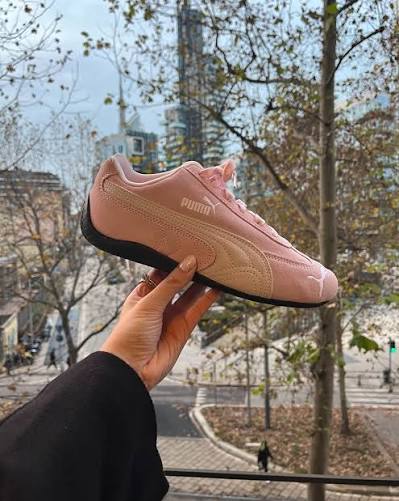
What separates Puma from brands chasing pure aesthetics is an ongoing commitment to functional innovation. Cushioning technology, breathable fabrics, and ergonomic silhouettes are not afterthoughts at Puma — they are the starting point of every design conversation. Whether the product is a running shoe, a training jacket, or a lifestyle sneaker meant purely for the street, Puma applies the same rigorous design philosophy: form should never compromise function, and function should never feel boring. This balance is precisely what keeps Puma relevant across such different customer bases, from marathon runners to fashion-forward teenagers.
Sustainability as a Design Challenge
Like much of the fashion industry, Puma has faced growing pressure to rethink its environmental footprint, and rather than treating sustainability as a marketing checkbox, Puma has approached it as a genuine design challenge. Recycled materials, reduced water usage in manufacturing, and more responsible sourcing practices have become increasingly central to how Puma develops new product lines. It is not a perfect transformation, and there is still meaningful progress to be made, but Puma’s continued investment signals a brand trying to evolve honestly rather than performatively.
A Global Identity With Local Relevance
Few sportswear brands manage to feel simultaneously global and locally rooted, but Puma has consistently pulled this off. Regional collaborations, culturally specific campaigns, and localized product drops allow Puma to feel personal in markets around the world, even while operating as a massive international brand. This adaptability has helped Puma maintain relevance across generations and geographies, avoiding the trap of feeling like a one-size-fits-all global label.
Where Puma Fits Today
In a crowded athletic fashion landscape, Puma continues to hold its ground by refusing to choose between performance and style. That refusal — the insistence that great design can serve both purposes at once — is ultimately what defines the brand’s identity. For anyone building a wardrobe that moves as effortlessly from the gym to everyday life, Puma remains one of the most reliable names in modern athletic fashion.