





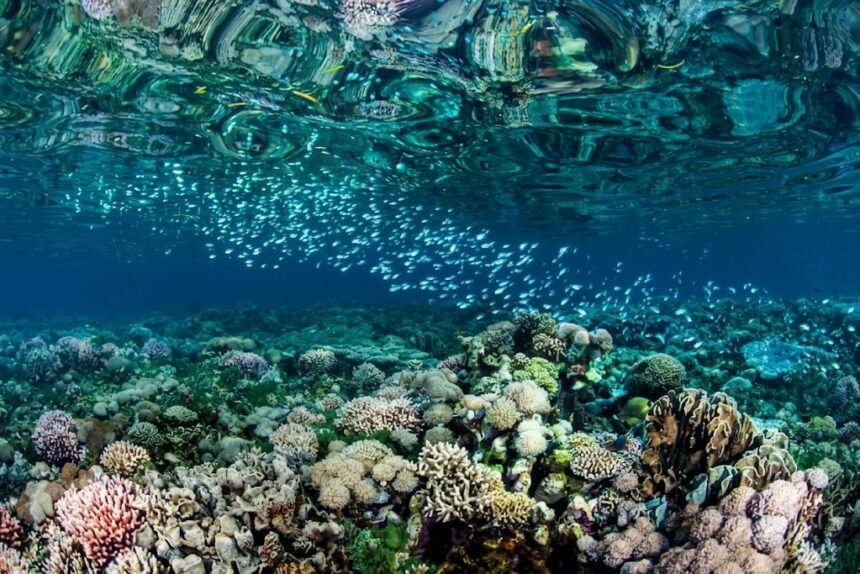
Most divers planning a Coral Triangle trip work from the same shortlist: Raja Ampat, Komodo, the Philippines’ Tubbataha. Timor-Leste rarely makes the cut, which is odd, because by at least one measure it outranks all of them. A 2016 survey conducted here recorded the highest average reef-fish diversity ever documented on a single reef anywhere in the world, a record that still stands. The country simply never built the tourism machinery to tell anyone about it.
The Numbers That Should Have Made This Famous
Atauro Island sits roughly 36 kilometres north of the capital, Dili, a two-hour ferry ride across the Wetar Strait between the Savu and Banda Seas. Conservation International’s survey work there documented 642 fish species within a single survey area, alongside nearly 600 species of reef-building coral across Timor-Leste’s waters more broadly, more than 2,000 reef fish species, and six of the world’s seven sea turtle species. An earlier 2012 assessment by marine scientists Mark Erdmann and Gerry Allen had already ranked Atauro’s biodiversity seventh-highest anywhere in the Coral Triangle, before the more detailed follow-up pushed it to the top of the global list outright.
Why These Reefs Survived
The usual explanation for an intact reef, remoteness, is only half the story here. Timor-Leste’s limited economic development has genuinely kept industrial fishing fleets and large-scale coastal construction away from these waters, but the more interesting factor is deliberate rather than accidental. Coastal communities across Atauro practice tara bandu, a traditional Timorese system of resource management and social governance that predates modern conservation programmes entirely, using community-agreed restrictions on when and where fishing can happen. Local elders describe measurable fish population recovery since implementing those restrictions, a rare documented case of customary law delivering real ecological outcomes in a region where formal, government-run marine protection frequently struggles with enforcement and funding.
What Diving Here Actually Involves
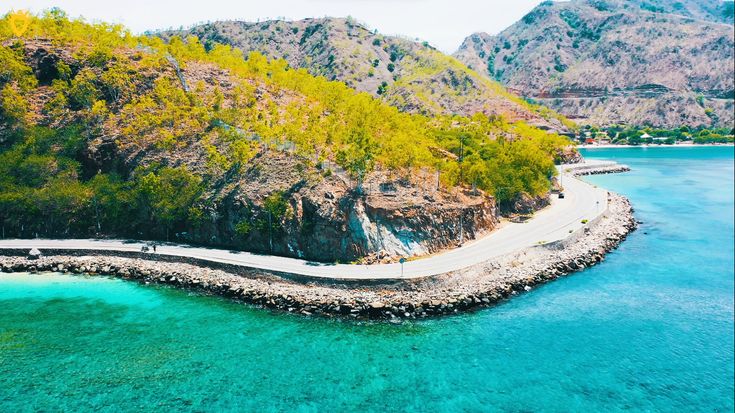
Timor-Leste’s diving splits into two distinct experiences. Atauro offers the headline biodiversity, steep wall dives, dense reef fish populations, and regular pelagic encounters given the deep water surrounding the island. The mainland coast near Dili, meanwhile, offers something unusual in the region: genuine shore diving, reefs accessible directly from the roadside along the north coast, meaning you can dive multiple sites in a day without ever boarding a boat. Whale and dolphin sightings through the Wetar Strait are a legitimate bonus rather than a marketing promise, blue whales, humpbacks, and melon-headed whales all pass through the deep channel between Atauro and the mainland during migration periods.
Setting Expectations Properly
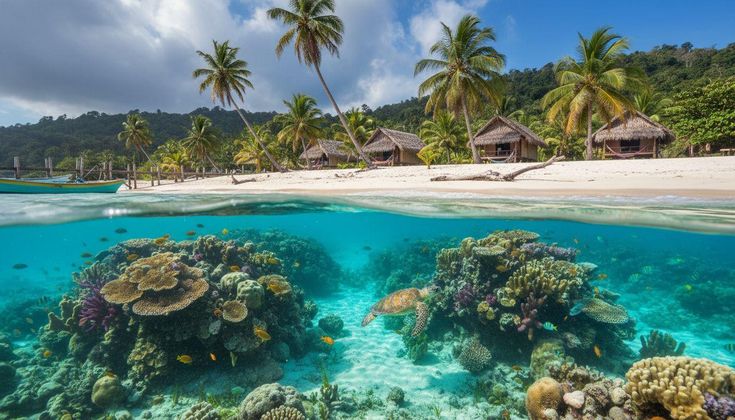
Infrastructure here is genuinely limited, and that matters for trip planning. Atauro is a small island of roughly 140 square kilometres with around 9,000 residents, a handful of modest dive operations, and eco-lodge accommodation rather than resorts. Dive shops exist and operate professionally, but the redundancy travellers take for granted elsewhere, multiple boats, spare equipment, nearby hyperbaric facilities, is thinner. Serious divers should carry their own well-maintained gear where possible, confirm operator safety protocols in advance, and build genuine flexibility into travel dates, ferry schedules to Atauro run on a limited timetable and are weather-dependent.
Beyond the Water
Timor-Leste only became formally independent in 2002, following Portuguese colonial rule and a devastating Indonesian occupation, and that recent history remains visible in Dili and in the country’s still-developing infrastructure. It’s worth engaging with rather than skipping past, both because it explains why tourism here remains so undeveloped, and because visitors will encounter it in conversation with almost anyone they meet. Independence Day, May 20, is marked with genuinely emotional public celebration across the country, an unusually direct window into a nation’s relationship with its own recent past.
Why It Belongs on a Diver’s List
Timor-Leste offers a genuinely rare proposition: a reef system that credible marine science ranks at or near the top globally, without the dive boat traffic that has arrived at every other destination holding comparable numbers. The trade-off is real, limited infrastructure, harder logistics, fewer comforts, but for divers willing to accept it, this remains one of the few places in the Coral Triangle where world-class reef diversity and genuine solitude still arrive in the same package.