




Luxury shopping has traditionally been associated with quiet boutiques, polished displays and salespeople who know every detail about the products on the shelves. But the second-hand luxury market is finding a very different kind of showroom: the livestream.
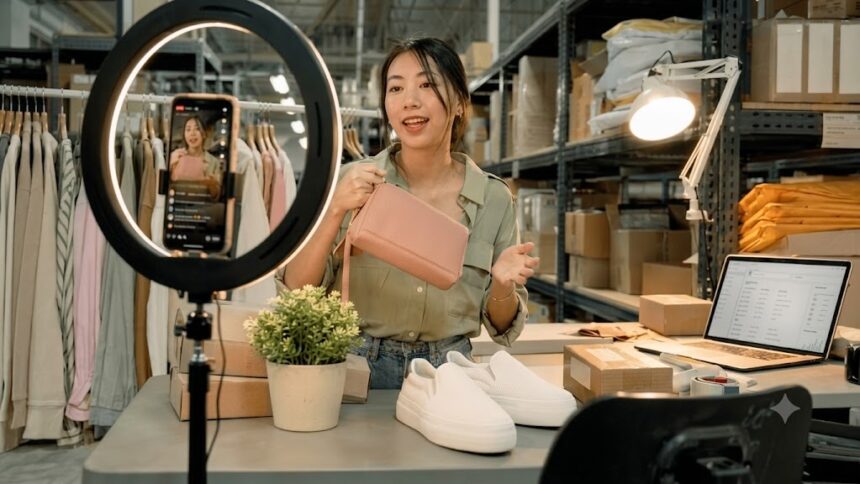
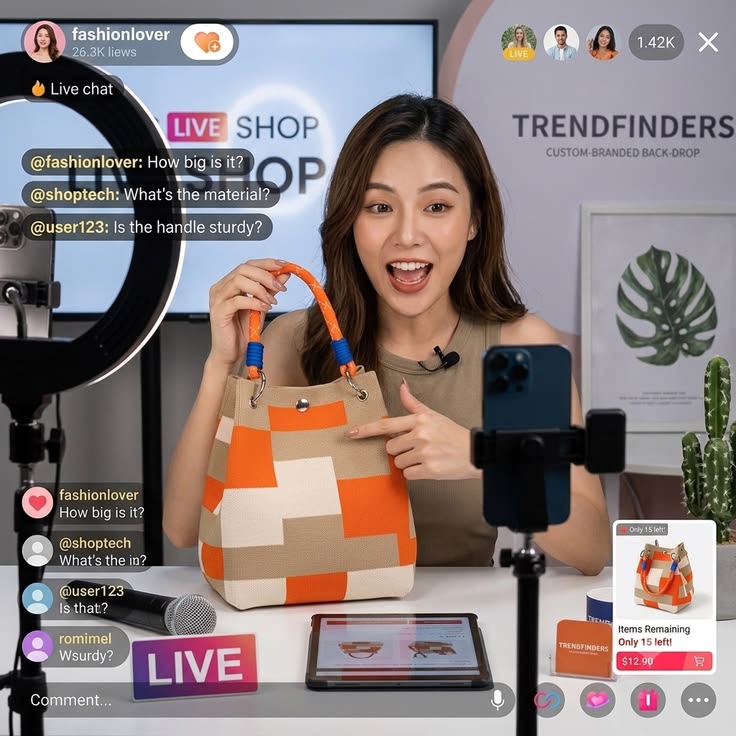
On platforms such as TikTok Shop, sellers can now present pre-owned handbags, watches, jewellery and designer clothing to thousands of viewers in real time. Customers ask questions in the comments, request close-ups, watch products being handled on camera and, sometimes within minutes, decide to buy.
It is a very different experience from scrolling through a traditional resale website. And that difference is helping reshape how people discover and purchase luxury resale products online.
Why Livestream Shopping Works for Luxury Resale
Buying a second-hand luxury item comes with a natural hesitation.
Is the handbag genuine? What condition is it really in? Are there scratches that the photographs don’t show? Is the colour accurate? Does the stitching look right?
Static product listings can answer some of these questions, but livestreams add something important: interaction.
A seller can turn a bag around, show the corners, zoom in on a logo or explain a small imperfection while viewers are watching. Someone can ask, “Can you show the inside?” and potentially get an answer immediately.
That sense of access can make a pre-owned product feel less like an anonymous listing and more like a conversation with a knowledgeable seller.
For luxury resale, where trust plays such a major role, that matters.
The Entertainment Factor
Livestream shopping is not simply online shopping with a camera switched on.
The successful streams often feel closer to entertainment. Sellers tell stories about particular pieces, explain how to style them, discuss their history and react to comments coming in from viewers.
There is also an element of scarcity.
A particular vintage handbag may be one of a kind. Once somebody purchases it, it is gone. That creates urgency that is difficult to reproduce on a conventional resale marketplace.
Viewers aren’t only looking for a product. They are watching to see what appears next.
That combination of entertainment, discovery and immediate purchasing is one reason livestream commerce has become such an interesting channel for resale businesses.
TikTok Gives Resale a Different Audience
Another important factor is discovery.
Traditional luxury resale often depends on customers deliberately searching for a particular brand or product. TikTok works differently. Its recommendation-driven feed can introduce shoppers to items they weren’t actively looking for.
Someone watching a fashion video might suddenly encounter a vintage designer bag. A viewer who had never considered buying pre-owned luxury could become interested after seeing how a seller styles and explains the piece.
That creates opportunities for smaller resale businesses that might struggle to compete for attention against established luxury retailers.
The platform itself becomes part marketplace, part marketing channel and part entertainment network.
Trust Remains the Biggest Challenge
There is, however, a major issue that livestream shopping cannot magically solve: authentication.
Luxury resale has long faced counterfeit products, misleading descriptions and questions about provenance. Showing an item live may provide more transparency, but a camera does not automatically prove authenticity.
Serious sellers therefore still need robust authentication processes, accurate condition descriptions, clear return policies and reliable customer service.
Platforms also have an important role to play in protecting buyers. As livestream commerce grows, customers will expect stronger safeguards around payments, counterfeit goods, seller verification and disputes.
Without trust, the excitement of a live sale can quickly disappear.
A New Way to Sell Old Luxury
The appeal of luxury resale has changed considerably over the years. What was once viewed mainly as a way to find cheaper designer goods has become part of a broader fashion conversation around vintage style, rarity, value and circular consumption.
Livestream shopping adds another layer to that evolution.
It turns a second-hand item into something viewers can experience together rather than simply browse alone. A seller can explain its story, demonstrate its condition and create a sense of occasion around the sale.
That doesn’t mean traditional resale websites or physical stores are going away. Instead, livestream commerce is giving the industry another way to reach customers—one built around personality, interaction and real-time discovery.
For TikTok Shop and the wider luxury resale market, that could prove significant.
The next generation of luxury shoppers may not discover their next designer purchase while walking through a department store or browsing a fashion magazine.
They may find it while watching a livestream, asking a question in the comments—and clicking “buy” before the stream is over.