




Food trends come and go. One year, everyone is talking about protein. The next, it is fermented foods, colourful drinks or some ingredient that seems to appear on every restaurant menu.
But there is another trend quietly taking over the way people choose what to eat: texture.
Crunchy. Gooey. Crispy. Chewy. Creamy. Foods that make you hear, feel and experience every bite are becoming increasingly popular with consumers. And food companies have noticed.
From crunchy chocolate bars and chewy sweets to gooey cookies and crispy snacks, texture is becoming just as important as flavour when brands develop new products.
Why Texture Matters So Much
Taste is obviously important, but eating is a much bigger sensory experience.
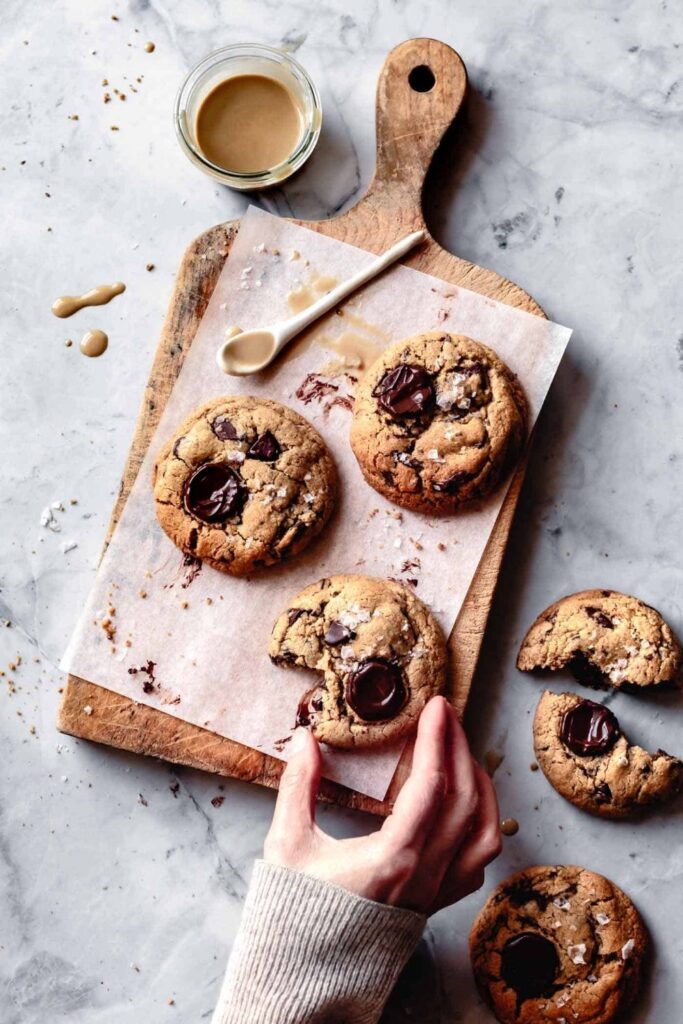
Think about biting into a freshly baked cookie. The outside has a slight crunch before giving way to a soft, almost gooey centre. Or imagine opening a packet of chips and hearing that first unmistakable crunch.
Those sensations make food more memorable.
Researchers and food developers have long understood that texture can influence how people perceive freshness, quality and enjoyment. But social media has given these sensations a much bigger stage.
A simple video of someone breaking a crispy pastry or cutting into a molten dessert can be remarkably satisfying to watch. In a world where food is increasingly discovered through short videos, texture is becoming content.
The Rise of “Texture-First” Eating
Consumers are no longer simply asking whether something tastes good. They are increasingly interested in what happens when they bite into it.
That is particularly noticeable in snacks and desserts.
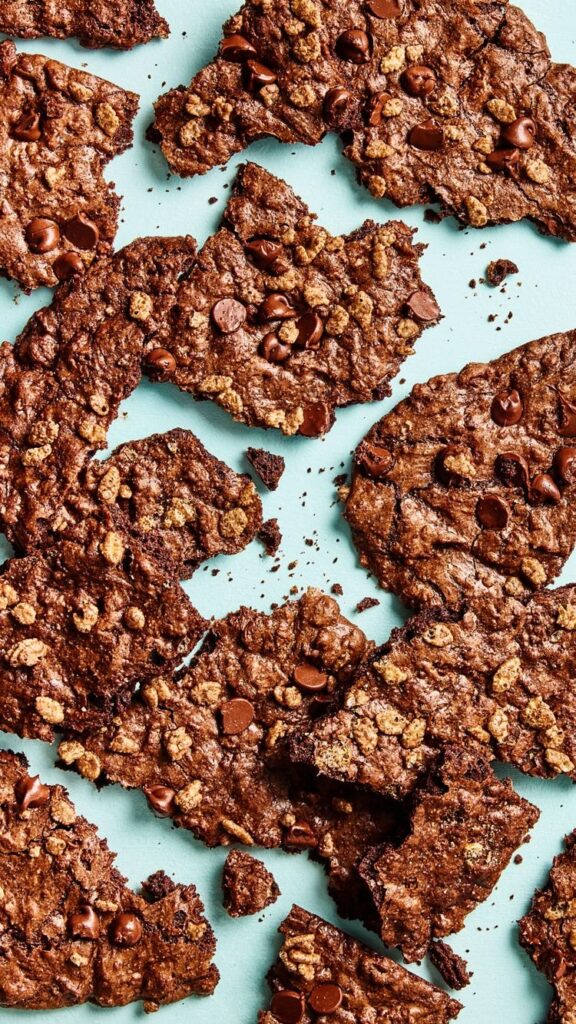
Chocolate products may include crunchy nuts, crisped grains or caramel pieces. Cookies are being marketed around soft centres and crisp edges. Ice creams come with chunks, swirls and coatings designed to create contrast.
Even familiar products are being reinvented by adding multiple textures to the same bite.
The reason is fairly simple: contrast keeps eating interesting.
A completely soft food can be comforting, but combining crisp and creamy or crunchy and chewy creates a more dynamic experience. Every bite feels slightly different.
Social Media Is Making Texture More Valuable
There is also a strong visual element behind the trend.
On TikTok, Instagram Reels and YouTube Shorts, food has to communicate quickly. There may be only a few seconds to convince someone to keep watching.
A dramatic cheese pull does that.
So does the sound of a crisp biscuit breaking, the sight of caramel stretching or a chocolate shell cracking open.
This has created a feedback loop between food brands and creators. Brands develop products with visually obvious textures, creators film them, audiences react and successful formats inspire the next wave of products.
In other words, food texture trends are no longer happening only in kitchens and laboratories. They are being shaped by what performs on screens.
Texture Can Also Create Nostalgia
Interestingly, the appeal isn’t entirely about novelty.
Many popular textures are connected to childhood memories. Think of the crunch of a favourite biscuit, the chewiness of a particular sweet or the soft centre of a familiar chocolate treat.
Food companies can tap into those memories while presenting them in a new format.
A traditional dessert might become a crunchy snack. A familiar candy could receive a gooey filling. A classic biscuit might be transformed into a layered dessert with several contrasting textures.
The result feels new without being completely unfamiliar.
What This Means for Food Brands
For food manufacturers, the growing interest in texture creates plenty of room for experimentation.
Instead of launching another product based solely on a new flavour, brands can build an experience around the way a product feels in the mouth.
That could mean combining hot and cold, crisp and creamy, soft and crunchy, or chewy and brittle.
Packaging can also play a role. Words such as “crispy,” “molten,” “crunchy centre” or “extra chewy” immediately communicate an experience to shoppers.
But there is a limit. Texture cannot compensate for poor flavour or low-quality ingredients forever. Consumers may be attracted by an exciting first bite, but repeat purchases still depend on the product actually being good.
The Future May Be About the Bite
The growing popularity of crunchy, gooey and chewy foods points to something bigger than another passing snack trend.
Consumers increasingly want food to be experienced, not simply consumed.
They want the crack, the crunch, the stretch and the softness. They want products that look interesting on camera and feel satisfying when they finally take a bite.
For food brands, that changes the creative brief.
The question is no longer just, “What should this product taste like?”
It may soon be, “What should the first bite feel like?”
And judging by what is appearing on shelves, menus and social feeds, that question is becoming a surprisingly important one.