




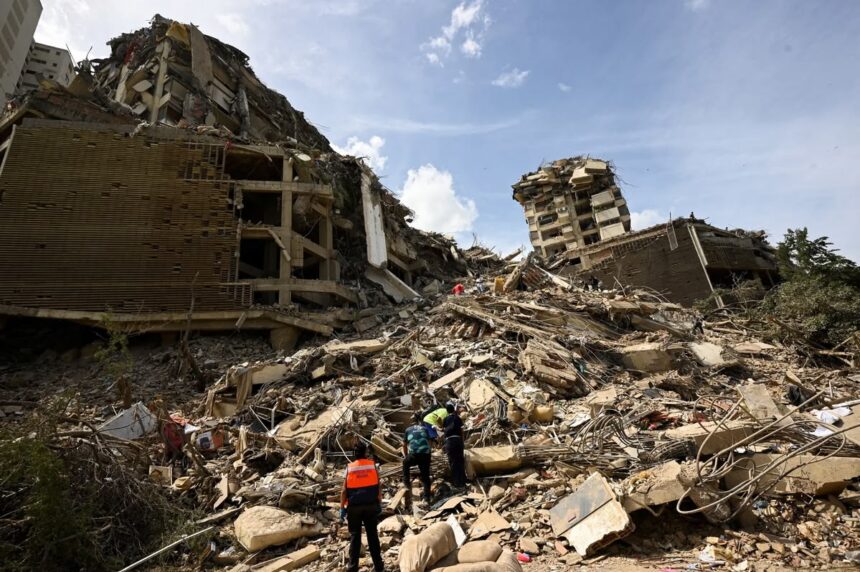
In the seconds after twin earthquakes struck the coast of Venezuela on the evening of Wednesday, June 25, 2026, tens of thousands of people in the capital Caracas and the adjoining coastal state of La Guaira ran into the streets as buildings collapsed around them. Two seismic events — a magnitude 7.2 followed within seconds by a magnitude 7.5 — struck back to back, one of the largest seismic sequences recorded in the country for more than a century. What followed was a race against biology, bureaucracy, and the structural failures of a country already living on the edge of collapse, as rescue teams from around the world converged on a disaster zone where the odds of survival dropped with every passing hour.
What Happened and Where
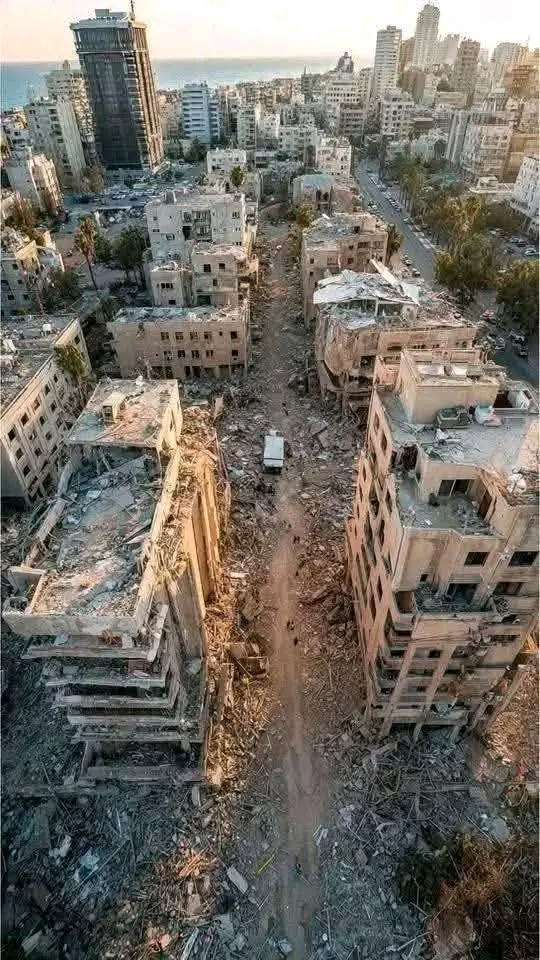
The earthquakes struck Venezuela’s northern coast, with the worst destruction concentrated in La Guaira — a coastal state approximately 40 kilometres north of Caracas — and within the capital itself. Dozens of buildings collapsed entirely, reducing entire city blocks to rubble. Residential towers, a shopping mall, and multi-storey apartment buildings pancaked under the force of the two successive strikes, trapping thousands inside. The death toll has climbed to at least 1,943 confirmed dead, with 10,571 injured and 15,866 left homeless. Officials stated that tens of thousands more remain unaccounted for, with the International Rescue Committee noting that children are among the nearly 50,000 people still missing. A 4.6-magnitude aftershock struck during the critical early rescue period, adding fresh psychological strain to already exhausted teams and traumatised residents.
The Golden Window and What Happened After It Closed
Emergency medicine operates around a concept known as the 72-hour golden window — the period after a structural collapse during which the probability of finding survivors alive remains highest. In Venezuela, that window passed on Saturday evening, three days after the initial strike. But the rescues did not stop.
A 3-year-old boy was rescued after surviving six days trapped beneath rubble, according to a Jordanian rescue team. A married father of two was pulled from the ruins of a destroyed shopping mall after a 120-hour rescue operation, with video showing rescuers carrying him out on a stretcher as onlookers applauded. 21-year-old Aaron Levi spent 106 hours buried underground before Venezuelan, Mexican, and Salvadoran teams coordinated his extraction. A CNN team on the ground witnessed a person extracted from a collapsed building in La Guaira by a human chain of civil defence workers — one rescuer raised his fist when he saw the victim, the signal that the person was alive, as visible relief swept through the crowd behind them.
Dayana Patiño and her infant son Juan David were pulled from rubble after being trapped for more than 30 hours. Rescuers were able to get water to the infant by sliding a straw through a pipe in the debris. “The one who gave me the strength not to fall into despair was my son,” Patiño said. “I kept saying, as long as he was alive, I was going to be alive.” These stories are not footnotes to the disaster — they are its moral centre.
The International Response
The scale of international mobilisation was extraordinary. The United States announced plans to deploy warships, transport planes, and helicopters and provide $150 million in aid. Brazil sent firefighters and medical supplies. El Salvador readied 300 paramedics and 50 tonnes of equipment. Turkey, Qatar, France, India, China, Switzerland, and Germany were among 24 countries to send support, collectively delivering more than 500 tonnes of supplies, 2,700 rescue personnel, and approximately 86 search dog teams. Canine teams proved indispensable in the critical early hours, with handlers and their dogs navigating collapsed structures, crawling under broken beams and into spaces human teams could not access. Notably, Israel deployed a disaster response team including first responders from its Home Front Command — significant given that the two countries have had no diplomatic relations for years.
The Government’s Failure Under Scrutiny
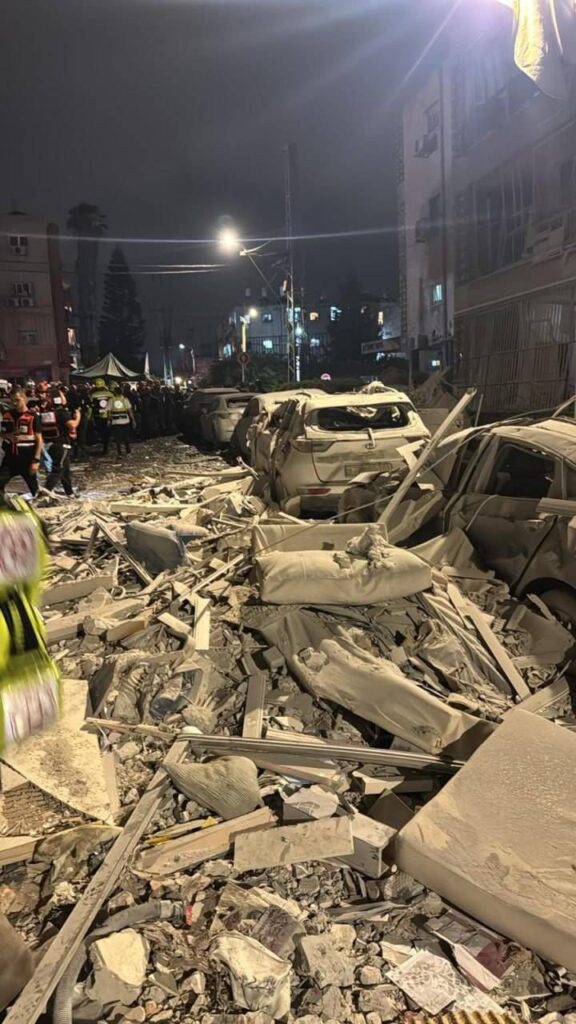
The rescue operation unfolded against a backdrop of serious and well-documented failures by Venezuela’s acting government under Delcy Rodríguez. International journalists reported that government forces were impeding international rescue teams from entering affected areas. At one rubble site, government officials reportedly took selfies before leaving without participating in recovery efforts, while civilians directed outrage at authorities managing traffic rather than assisting with rescue work. More than 90 hours after the earthquakes, operations were still challenged by insufficient specialised manpower and equipment breakdowns. Looting began within hours of the initial strikes, with people ransacking supermarkets, pharmacies, and shops. Four police officers were arrested after being caught stealing and were expected to face trial. Cynthia Arnson, an international relations analyst at Johns Hopkins University, said the earthquakes could expose the government’s inability to provide basic needs — potentially delaying the country’s democratic transition. The International Rescue Committee stated the response was not adequate given the scale of destruction.
A Country Already at Its Limit
What distinguishes Venezuela’s earthquake from comparable disasters elsewhere is that it struck a country already in deep institutional crisis. Only five health facilities remained fully operational in severely affected areas, out of 21. Venezuela’s water system failed in some areas, leaving survivors without safe drinking water. The hotel where one trapped victim had been staying was housing over 100 Venezuelans recently deported from the United States — a detail that speaks to the layered vulnerability of a population caught between a humanitarian disaster and a political one simultaneously.
These earthquakes did not create Venezuela’s fragility. They exposed it, at scale, in front of the entire world — and the gap between what was needed and what was delivered will be reckoned with long after the last survivor is found.