





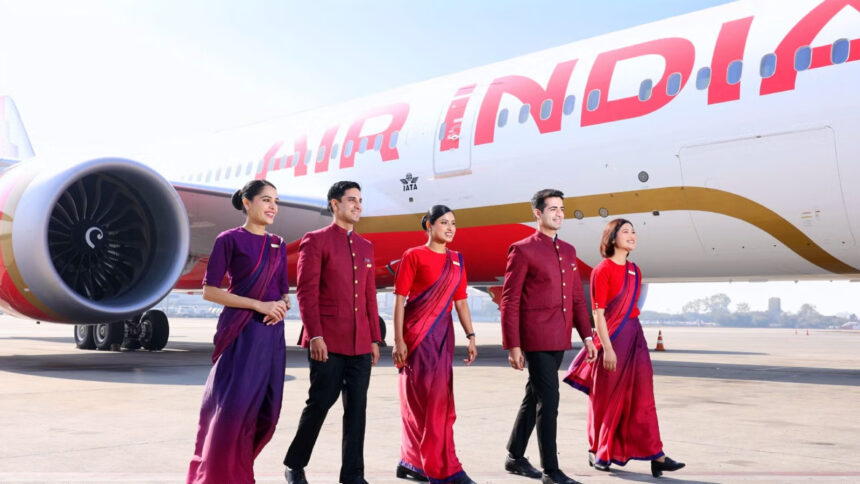
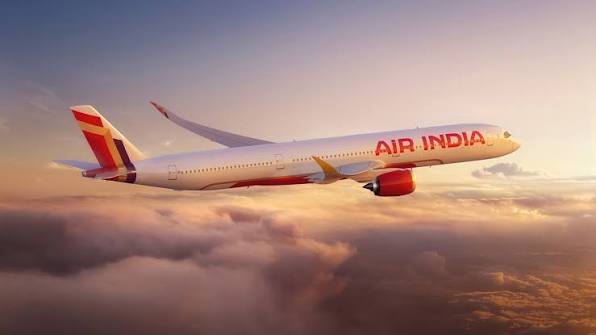
If you flew Air India ten years ago and haven’t been back since, the airline you’d board today would barely resemble the one you remember. New tail fins in deep red and aubergine. A loyalty programme called Maharaja Club that actually rewards frequent flying. An app that tracks your checked bag in real time. None of this happened by accident, and none of it happened quickly. It’s the result of a five-year transformation plan that’s now entering its final stretch, and it’s worth understanding what’s actually changed before you book your next flight.
From Government Carrier to Tata Ownership
Air India spent close to seven decades under Indian government ownership before returning to the Tata Group in 2022, the same conglomerate that originally founded the airline back in the 1930s. That homecoming triggered what Tata calls Vihaan.AI, a transformation programme built around fleet renewal, digital overhaul, and a genuine culture reset inside the airline itself. Under CEO Campbell Wilson, the workforce got dramatically younger, the average employee age dropped from the mid-fifties into the mid-thirties, alongside thousands of new hires brought in specifically to rebuild service standards from the ground up. In 2024, Tata folded Vistara and AirAsia India into the group as well, consolidating everything into two carriers: Air India as the full-service flagship, and Air India Express as its low-cost arm, now Skytrax rated at four stars.
The Fleet Overhaul Driving Everything Else
Most of what travellers actually notice, new seats, quieter cabins, working entertainment screens, traces back to one enormous order: roughly 570 aircraft across Airbus and Boeing, one of the largest procurement programmes in commercial aviation history. The Airbus A350 has become the visible symbol of that renewal, and it’s genuinely a different flying experience from the aircraft it’s replacing. By the end of 2026, Air India expects more than half its widebody fleet to carry either newly delivered cabins or fully retrofitted interiors, with new Boeing 787-9s already flying routes like Mumbai to London Heathrow. None of this has been instant. Deliveries have run behind original timelines more than once, and older aircraft are still being brought up to the new standard route by route rather than all at once. But the direction is consistent, and it shows in the numbers: Air India ranked fourth globally for on-time performance in June 2026, a genuinely unusual position for a carrier that spent years near the bottom of most punctuality lists.
What This Means for Booking Your Next Trip
Practically, the changes reach well beyond the aircraft itself. Air India now runs nonstop routes connecting India directly to North America, Europe, Australia, and Southeast Asia, reducing the layovers that used to define long-haul India travel. The Maharaja Club loyalty programme lets members earn and redeem points across both Air India and Air India Express, along with 25 Star Alliance partner airlines, a meaningful upgrade from the fragmented mileage systems the airline ran previously. Premium Economy has been added on select long-haul routes for travellers who want more than economy without the full business-class price. And the digital side has caught up too: real-time baggage tracking, mobile check-in, and self-service rebooking tools that used to require a call centre now sit inside the airline’s own app.
Worth Watching, Not Just Worth Booking
Air India’s turnaround is genuinely one of the more closely watched stories in global aviation right now, a national flag carrier trying to rebuild trust, reputation, and reliability at the same time, on a timeline measured in years rather than quarters. It isn’t finished. Fleet retrofits are still rolling out, and older aircraft remain part of the network until replacements arrive. But for travellers deciding whether to book, the practical answer in 2026 is straightforward: the answer in 2026 is straightforward: the airline landing on your route today is meaningfully different from the one that carried the same name a few years ago, and the gap keeps closing with every new aircraft delivered.