



There is a category of company that grows quietly, methodically, and without the noise of consumer-facing marketing campaigns — and then suddenly the numbers tell a story that’s impossible to ignore. iHerb is exactly that kind of company. Founded in 1996 in Irvine, California, it has spent nearly three decades building something that most retail giants have struggled to replicate: a trusted, globally accessible destination for health and wellness products that combines authentic product curation, transparent pricing, and a logistics network that reaches virtually everywhere. In 2026, the scale of what it has built is finally becoming impossible to overlook.
The Numbers That Define the Platform
iHerb generated record net sales of $2.9 billion in fiscal 2025, up 19% year-over-year, while significantly increasing profitability. That growth wasn’t concentrated in a single market or category — sales increased in 28 of iHerb’s top 30 countries, with growth across all regions and product categories, reflecting resilient global demand and continued market share gains. The company fulfilled more than 44 million orders during the year and served 15 million active customers worldwide. Perhaps most telling as a measure of genuine customer satisfaction: approximately 80% of orders came from repeat customers, and the company’s Net Promoter Score increased to 88 — a figure that places iHerb firmly among the most trusted e-commerce platforms globally, in any category.
What iHerb Actually Sells
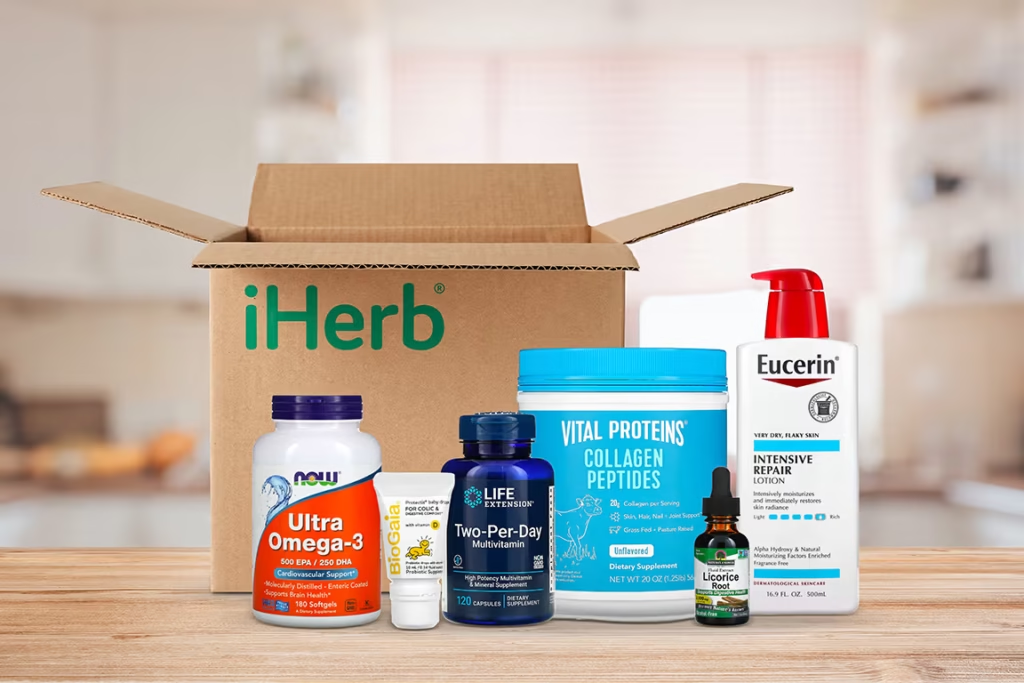
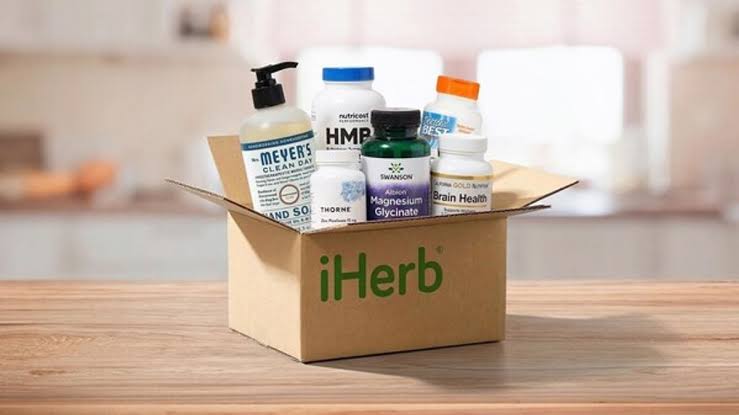
At its core, iHerb is a specialist retailer for vitamins, minerals, supplements, sports nutrition, beauty, personal care, and grocery products — offering an unbeatable selection from nearly 2,000 reputable brands, serving 15 million global customers across 180 countries and 36 languages. What differentiates its assortment from a general marketplace is curation backed by authenticity standards. The company added more than 230 new brands and over 9,000 new products in 2025, while strategically right-sizing inventory and pruning underperforming products to maintain a curated, productive assortment aligned with customer demand. This discipline — expanding and editing simultaneously — is unusual in e-commerce, and it’s a direct reason why the platform retains trust at scale.
Proprietary brands anchor the margin and loyalty strategy. California Gold Nutrition, iHerb’s flagship in-house label, was named the top collagen choice by expert consumers in 2026, while the launch of CGN Beauty in 2025 extended the brand into skincare and haircare — a move that reflects where consumer health spending is converging globally.
A Logistics Network Built for Global Scale
iHerb’s physical infrastructure is its least-discussed competitive advantage and arguably its most important one. The company’s global supply chain is anchored by nine climate-controlled logistics centres located in the US, Asia, and the Middle East. In 2025, new fulfillment centres opened in Dallas–Fort Worth and Riyadh, Saudi Arabia, enhancing delivery speed and cost efficiency across North America and the Middle East. Climate-controlled storage isn’t a luxury in supplement retail — it’s a product integrity requirement, and iHerb’s investment in it at scale is what allows it to ship authentic, shelf-stable products to markets where maintaining cold chain logistics is genuinely difficult.
Operational execution in 2025 reached new milestones, including a record 174,000 orders processed in a single day — the highest daily volume in company history. For context, that’s the kind of throughput that most specialist health retailers manage in a month.
Expanding Its Reach in 2026
The strategic moves iHerb has made entering 2026 signal a company confident in its trajectory and actively broadening its surface area. In January 2026, iHerb completed its strategic acquisition of Vitacost from The Kroger Co. — a deal that deepens its domestic US business while adding a complementary customer base. To further expand its presence in Europe, iHerb established a new office in the Netherlands, building a local team focused on accelerating growth and forging partnerships across the fast-growing EU market. On the digital side, iHerb launched the iHerb Wellness Hub, providing expert-led educational content, articles, and wellness resources designed to help customers make informed health decisions, transforming the platform from a transactional retailer into a genuine wellness destination.
Why It Matters to the Everyday Consumer
For anyone interested in managing their health proactively — whether through supplements, sports nutrition, clean beauty, or functional food — iHerb occupies a unique position in 2026. The combination of product breadth, verified authenticity, competitive pricing, and global reach makes it the most practical single destination for health-conscious consumers who want quality without navigating a fragmented market of unreliable local alternatives.
The wellness economy is one of the fastest-growing consumer segments globally. iHerb isn’t riding that wave — it quietly built the infrastructure that makes the wave accessible. That’s a meaningful distinction, and it’s why the platform’s growth in 2025 isn’t a surprise to anyone who has been paying close attention.