



There’s a specific kind of shopping fatigue that comes from chasing trends — buying pieces that feel exciting for a season and forgettable by the next. Gap has spent decades resisting that cycle, building a reputation not on fleeting trends but on getting the fundamentals right. A perfect white tee, jeans that actually fit the way they’re supposed to, a hoodie that survives years of wear without losing its shape — this is the territory Gap has quietly owned since the beginning, and it’s exactly why Gap remains a wardrobe staple across generations.
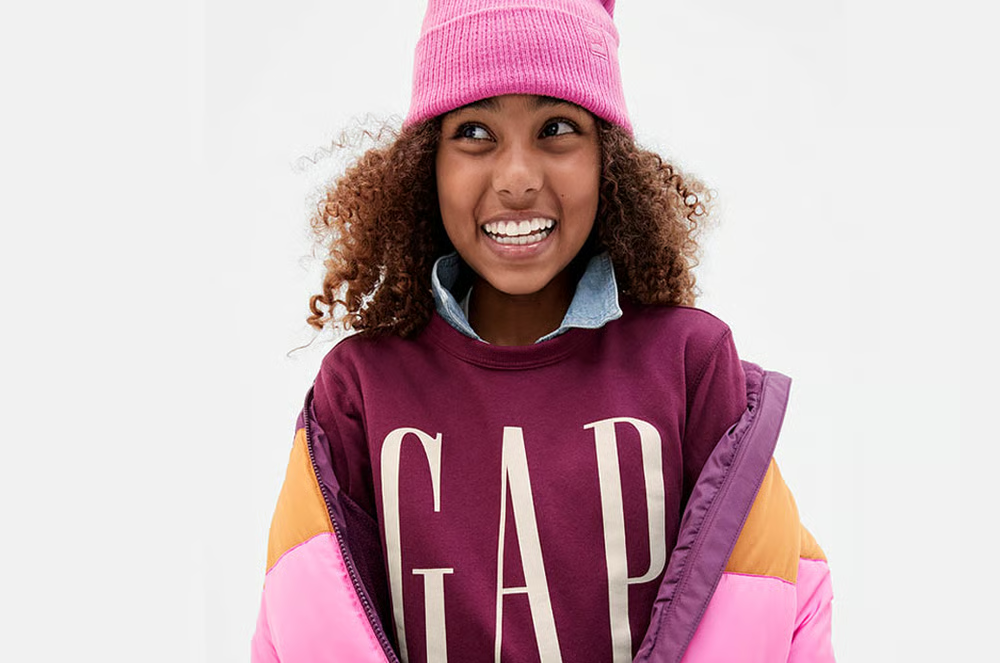
The Original Architect of American Casual
Long before “capsule wardrobe” became a buzzword, Gap was already building one. Gap essentially defined what American casualwear looks like — clean lines, dependable fabrics, and styles that don’t demand constant reinvention to stay relevant. That foundation is part of why Gap has stayed culturally significant for so long. Trends come and go, but the need for well-made basics never really goes away, and Gap has built its entire identity around meeting that need better than almost anyone else in the category.
What’s often underappreciated about Gap is how much design discipline goes into products that look effortlessly simple. A Gap crewneck sweater or a pair of Gap straight-leg jeans might not look complicated, but getting fit, fabric weight, and durability right at scale is genuinely difficult. Gap has refined this process over decades, which is why so many customers describe Gap pieces as the ones they reach for again and again, long after trendier purchases have been pushed to the back of the closet.
Women’s Style, Reworked for Real Life
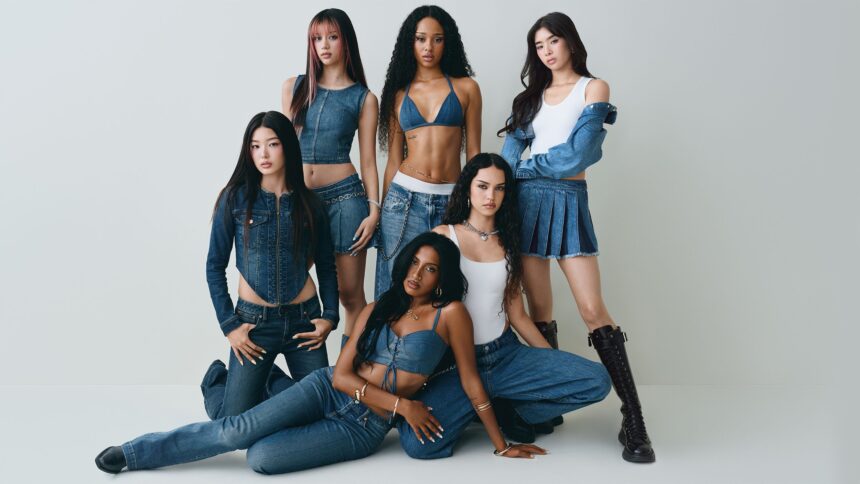
Gap’s women’s collection in particular reflects a clear understanding of how real wardrobes actually function. Rather than treating each season as a completely new aesthetic, Gap builds around versatile staples that mix and match across a woman’s existing closet — well-cut denim, breathable knits, tailored outerwear, and easy dresses that transition from daytime to evening without effort. This approach makes shopping at Gap feel less like a hunt for a single statement piece and more like building a genuinely functional wardrobe.
Gap’s sizing range and fit consistency also stand out in a category where “true to size” often feels like a myth. Gap has invested heavily in maintaining reliable fit across its women’s lines, which builds a level of shopping confidence that’s hard to find elsewhere — customers know roughly what to expect before a single item even arrives.

Quality That Doesn’t Demand a Premium Price Tag
One of Gap’s most enduring strengths is proving that quality and affordability aren’t mutually exclusive. Gap has never positioned itself as a luxury label, yet the durability of its core products regularly outperforms far more expensive competitors. Denim that holds its shape after dozens of washes, cotton that doesn’t pill or thin out within a season — this is the quiet, unglamorous kind of quality that keeps customers coming back to Gap instead of chasing cheaper, shorter-lived alternatives.
This value proposition matters even more now, as shoppers grow increasingly fatigued by fast fashion’s disposable cycle. Gap offers a genuine middle ground: accessible pricing without sacrificing the longevity that makes a wardrobe actually sustainable over time.
Why Gap Still Belongs in Every Closet
Fashion moves fast, but the need for well-made, versatile basics never really changes. Gap has built its entire identity around that constant, refining fit, fabric, and value over decades rather than chasing every passing trend. That consistency is exactly why Gap remains as relevant today as it was decades ago.
Ready to refresh your wardrobe with pieces that actually last? 👉 Shop styles at Gap here
Whether you’re rebuilding a capsule wardrobe from scratch or simply replacing a few worn-out staples, Gap continues to prove that great basics never go out of style.