





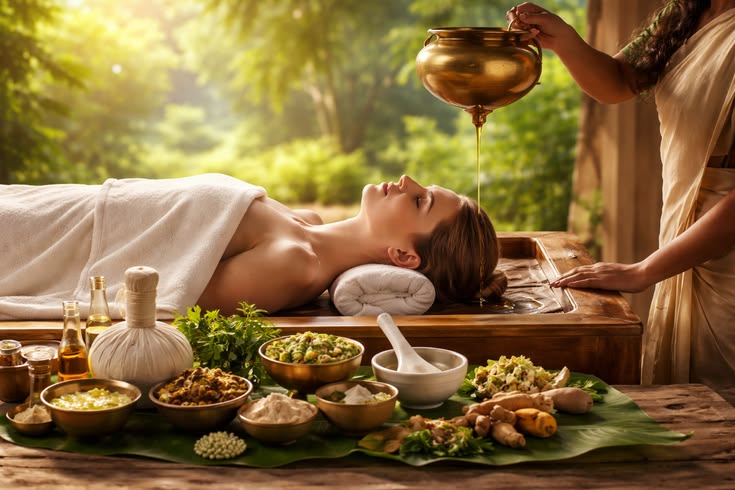
We live in an era of hyper-optimized skincare. Our bathroom counters are stacked with clinical dropper bottles, synthetic retinoids, and complex chemical exfoliants. But if we are being completely honest, the constant cycling through “miracle” laboratory ingredients has left a lot of our skin barriers fried, sensitized, and exhausted.
Lately, there has been a quiet, collective step backward. People are suffering from product fatigue, and the smartest voices in the beauty space are looking to the past.
Long before synthetic chemistry, ancient civilizations mastered the art of skin health using botanical intelligence. They didn’t have access to modern preservatives, so they relied on raw, bio-available ingredients that worked with the skin’s natural rhythm, not against it. The best part? Modern dermatological science is finally catching up, proving that these centuries-old rituals aren’t just folklore—they actually work.
If your skin is begging for a reset, here are four time-tested beauty rituals from around the world that deserve a permanent spot in your modern routine.
1. Japan: Chizu Saeki’s Lotion Masking & The Power of Fermentation
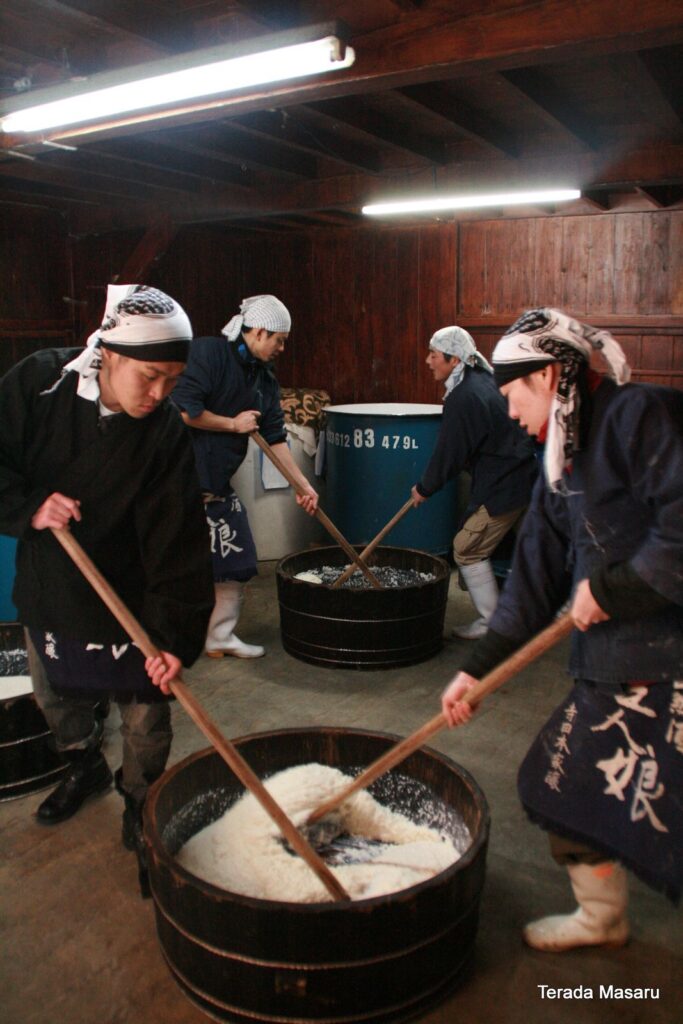
If you look into traditional Japanese skincare, the focus is never on stripping the skin; it’s on hydration layering. Long before Western brands started hyping up “essence,” Japanese women were using fermented rice water (Sake Kasu) to achieve translucent, glassy skin.
The science here is beautiful. The fermentation process breaks down the molecular structure of the ingredients, making them much easier for your skin to absorb. Rice water is naturally packed with amino acids, ferulic acid, and kojic acid, which gently brighten dark spots and fortify the skin barrier.
The Modern Adaptation: You don’t need to buy a $150 luxury essence to try this. You can practice the famous “Lotion Mask Technique” popularized by Japanese beauty guru Chizu Saeki. Take thin, unrolled cotton pads, soak them in a high-quality, alcohol-free hydrating toner or fresh, cooled organic rice water, and split them into sheets. Apply them to your face like a customized sheet mask for exactly three minutes. It floods the stratum corneum with hydration without clogging your pores.
2. India: The Anti-Inflammatory Magic of the Ubtan
In India, skincare has always been an extension of Ayurveda—a holistic system of medicine focused on balance. The most legendary ritual is the Ubtan, a fresh, soap-free paste made from chickpea flour (besan), turmeric, sandalwood, and raw milk or rosewater. Historically used by royals and brides, it’s one of the oldest exfoliating treatments in human history.
Modern clinical studies consistently validate turmeric for its heavy-hitting anti-inflammatory and antioxidant properties, largely thanks to its active compound, curcumin. It calms acne, reduces redness, and fights free-radical damage from urban pollution. Meanwhile, the chickpea flour acts as a physical exfoliant that removes dead cells without micro-tearing the skin like synthetic plastic beads or harsh scrubs do.
The Modern Adaptation: Mix two tablespoons of chickpea flour with a half-teaspoon of organic wild turmeric (Kasturi Manjal, which won’t stain your skin yellow) and enough plain yogurt or rosewater to form a smooth paste. Apply it, let it dry for 10 minutes, and gently wash it off using circular motions. It balances oil production while leaving an unmistakable, healthy glow.
3. Morocco: The Hammam Ritual and Rhassoul Clay
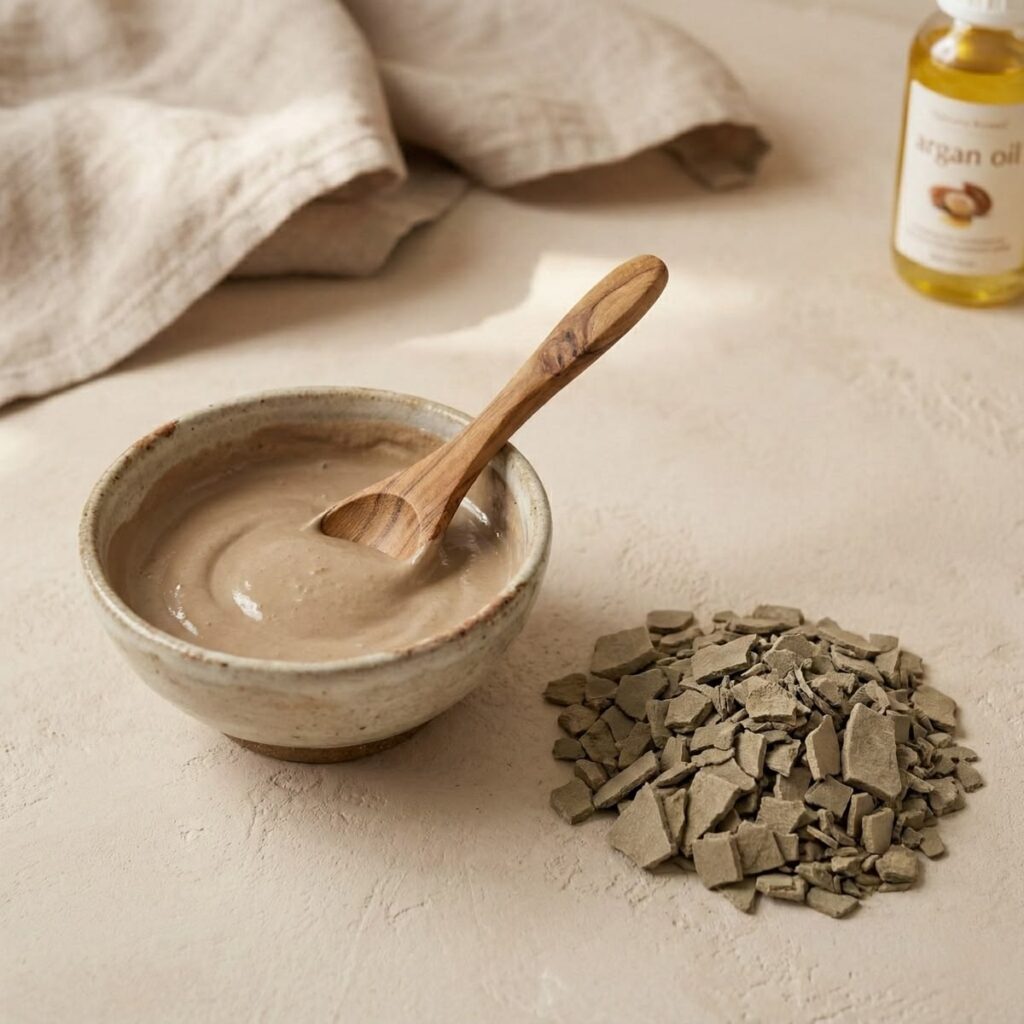
For centuries, the Moroccan Hammam (bathhouse) has been a weekly mandatory ritual for physical and mental detoxification. The cornerstone of this practice relies on two things: Savon Noir (a thick, olive-oil-based black soap) and Rhassoul Clay, which is mined exclusively deep within the Atlas Mountains.
Rhassoul is a uniquely mineral-rich clay, exceptionally high in silica and magnesium. Unlike bentonite clay, which can be intensely drying and stripping, Rhassoul has a high ion-exchange rate. It physically draws out negatively charged toxins and excess sebum from the pores while simultaneously depositing nourishing minerals back into the skin.
The Modern Adaptation: You can recreate a mini-hammam in your shower. Let the bathroom steam up, apply an olive-oil-based soap to soften the skin, and use a traditional Kessa glove to gently buff away dead skin. Follow up by mixing Rhassoul clay powder with a few drops of pure argan oil and warm water to create a weekly body and face mask. It improves skin elasticity and clarity without that tight, dry, uncomfortable feeling.
4. Greece: Olive Oil and Mastic Resin for Longevity
The ancient Greeks looked to the olive tree for almost everything, including skin elasticity. Homer famously referred to olive oil as “liquid gold,” and women used it as a primary moisturizer to protect their skin against the harsh Mediterranean sun and dry winds.
From a biochemical standpoint, extra virgin olive oil is rich in squalene—a natural emollient that mimics our skin’s own sebum—and oleic acid. Furthermore, the Greeks paired this with Mastic (a resin from the mastic trees of Chios), which modern dermatological research shows has potent antimicrobial properties and acts as a natural pore-tightener.
The Modern Adaptation: Don’t grab the cooking oil from your pantry, as it can be too heavy and comedogenic for facial skin. Instead, look for modern facial oils that utilize cold-pressed, cosmetic-grade olive squalane or mastic resin extracts. It gives you all the intense lipid-barrier protection of the ancient ritual in a lightweight, non-comedogenic formulation that sinks in instantly.
The Editor’s Verdict: Respect the Barrier
If you look closely at these ancient rituals, they all share a singular philosophy: nourish and protect. None of these cultures used aggressive acids to burn off the top layer of their skin in search of a quick fix. They focused on heavy hydration, gentle physical sweeping, and botanical anti-inflammatories.
In a world telling you to buy more chemicals, sometimes the most radical thing you can do for your skin is to trust the ingredients that have kept humanity glowing for thousands of years.
Are you ready to swap out your multi-acid peel for a traditional ubtan, or are you intrigued by the science behind Japanese lotion masking? Let’s talk about your favorite ancestral skincare secrets in the comments below.