





Every seasoned traveller knows the feeling. You arrive in a new city energised and full of intent, spend the first morning pricing out entry tickets individually, and quietly watch your daily budget evaporate before lunch. London’s observation decks, New York’s iconic skylines, Singapore’s cultural landmarks — great cities are expensive to experience properly, and the traditional model of buying individual tickets as you go is almost always the most costly way to do it. Go City was built to solve exactly this problem, and in 2026 it has grown into one of the most practical travel tools available for city explorers worldwide.
What Go City Actually Is
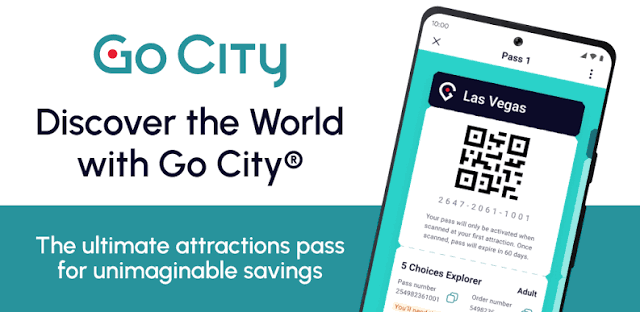
Go City is a digital sightseeing pass platform that bundles entry to multiple attractions across a single city into one prepaid product, accessible entirely through a free mobile app. The company now operates in more than 30 cities worldwide, including major destinations such as New York, London, Paris, Chicago, San Diego, Oahu, Singapore, and Bangkok. Rather than managing a stack of individual tickets, reservations, and booking confirmations, a Go City pass consolidates everything into a single QR code that you scan at each attraction — no queues to buy tickets at the door, no last-minute price surprises, and no mental overhead of managing multiple bookings simultaneously.
The platform grew from the merger of Leisure Pass Group and Smart Destinations, bringing together the heritage of The London Pass and The New York Pass — two of the most established city pass brands in global travel — under a unified product architecture. The Go City app is now the home for both The London Pass and The New York Pass, and the technology underpinning it has been rebuilt around a modern mobile-first experience that handles everything from map-based attraction discovery to advance reservation management in one place.
Two Pass Formats, Two Different Travel Styles
Go City operates on two fundamentally different pass structures, and choosing correctly between them is the single most important decision a buyer makes. The All-Inclusive Pass covers unlimited attractions for a set number of consecutive days — one to five days typically — making it ideal for high-intensity sightseers who plan to pack in multiple experiences per day and want maximum flexibility without monitoring a per-attraction count. The Explorer Pass, by contrast, lets users pick a fixed number of attractions from the full lineup — typically two to seven — to use at any point within a 60-day window, making it better suited for travellers with a shorter list of must-sees, a slower pace, or a trip structure that doesn’t align with consecutive sightseeing days.
The arithmetic matters. A 3-day All-Inclusive Pass for London at £139 can deliver £293 worth of individual ticket value if used across a well-planned set of attractions — effectively cutting the cost of London sightseeing in half. New York tells a similar story: individual tickets to top New York attractions frequently cost in the 40 to 50 dollar range, with the Empire State Building around $40 per adult, Top of the Rock at a similar price point, and a Statue of Liberty ferry with pedestal access pushing total day costs toward or beyond $70 — making a multi-day pass the clear financial winner for anyone planning more than a couple of landmark visits.

What the Pass Covers
The attraction breadth is one of Go City’s strongest differentiators. In New York alone, users can access museums, the Empire State Building and other observation decks, Statue of Liberty tours and cruises, speedboat rides, seasonal ice skating at Rockefeller Center, Central Park electric scooter rentals, bar and rooftop tours, bike rentals, hop-on hop-off bus tours, botanical gardens, escape rooms, food tours, and day trips to LEGOLAND — all on a single pass. This breadth means the pass doesn’t just serve landmark tourists; it serves travellers who want a full, layered city experience including off-the-beaten-path activities they might not have budgeted for individually.
In London, the pass unlocks access to more than 100 attractions, tours, and activities, covering everything from the London Eye and Thames river cruises to stadium tours, historic palaces, and walking experiences through the city’s distinct neighbourhoods.
How the App Experience Works
Using the Go City app, travellers can explore attractions, read up on all included experiences, find opening hours, check reservation requirements, and locate nearby options in real time using a map view. Attractions that require advance booking are clearly flagged within the app with direct booking links, which is a meaningful operational detail — several high-demand experiences such as the London Eye operate on timed entry, and booking these as early as possible is strongly recommended for popular choices and busy weekend tours. The pass itself activates on first use, meaning a non-activated pass can sit in the app for up to one year from purchase — a useful buffer for travellers whose trip timing might shift after booking.
Is It Worth It? An Honest Assessment
Go City delivers its best value for travellers who are visiting a city for three or more days with a genuine intention to see multiple paid attractions. For a single-attraction day trip, it almost certainly isn’t the right tool — individual tickets will be cheaper. The pass format also suits travellers comfortable with some advance planning, since the All-Inclusive pass rewards those who use it densely, and the Explorer Pass rewards those who pick thoughtfully. Both pass formats typically advertise savings in the 30 to 50 percent range versus buying standard tickets separately — and when that holds up against real pricing, it is a compelling case.
For city explorers who want to experience more, spend less, and manage the logistics of a busy itinerary without friction, Go City is one of the most practically useful products in modern travel.