




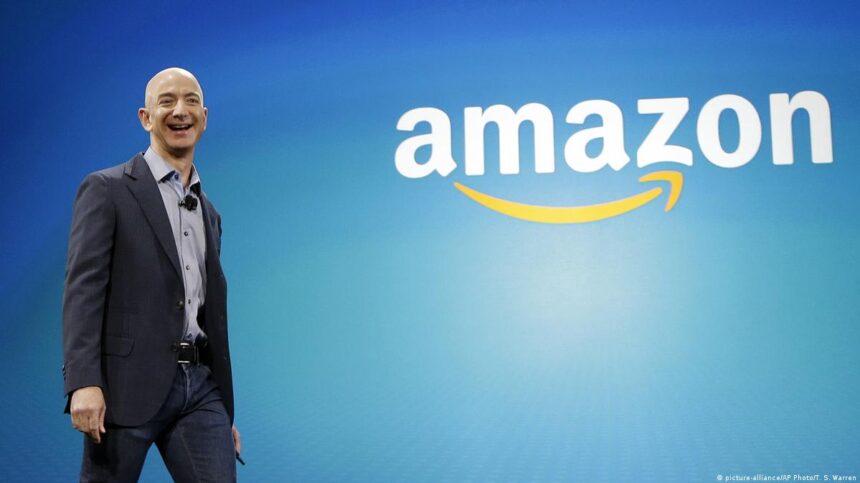
It started with books in a garage in Seattle. Today, Amazon touches more aspects of daily life than almost any company in history — how people shop, how businesses run their technology, how households stream entertainment, and increasingly, how artificial intelligence reaches ordinary consumers. Understanding what Amazon actually is in 2026 means understanding a great deal about how the modern world operates. Here’s a clear-eyed look at the company, what it does, where it’s heading, and why it matters to everyday people far beyond their last order confirmation.
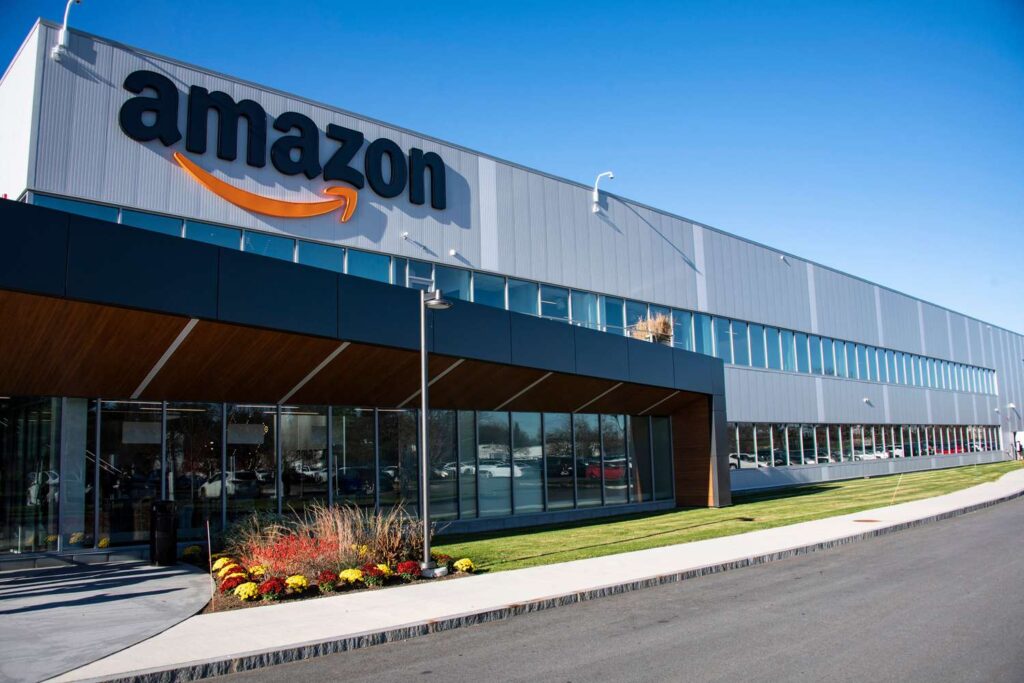
More Than a Store: The Amazon Ecosystem
Most people know Amazon as a place to buy things quickly. That’s accurate but incomplete. Although the company is best known among consumers for its retail platform, the majority of its operating profits come from its cloud computing division, Amazon Web Services (AWS). In practice, Amazon operates three distinct businesses simultaneously: a retail marketplace for consumers, a cloud infrastructure platform that powers thousands of other companies, and a fast-growing advertising engine. AWS produced 18% of revenue but 57% of operating profit in 2025, making cloud profitability the financial engine behind everything else, while advertising at roughly 9% of company revenue is growing above 20% per quarter. The store funds the infrastructure; the infrastructure funds the future.
A Scale That’s Difficult to Comprehend
The numbers behind Amazon in 2026 are genuinely staggering. Amazon closed 2025 with $716.92 billion in net sales, a 12.38% jump over 2024, with trailing twelve-month revenue reaching $742.78 billion by the end of Q1 2026 — putting the company on pace to overtake Walmart as the world’s largest by sales. For shoppers, this scale translates into consistent pricing, vast product selection, and a logistics network that now delivers at speeds that would have seemed implausible a decade ago. Amazon is on track to deliver at its fastest speeds ever for Prime members globally, with more total items arriving the same or next day than ever before through technological innovation, strategic facility placement, and specialized delivery methods.
Prime: The Loyalty Programme That Redefined Retail
Amazon Prime is one of the most successful subscription models ever built. Global Prime membership reached around 240 million by early 2026, with roughly 200 million in the United States alone, and US Prime members spend an average of $1,170 per year on Amazon, compared to $570 for non-members. The value proposition extends well beyond free delivery — Prime bundles music, video streaming, exclusive shopping events, pharmacy discounts, and cloud photo storage into a single annual fee. US shoppers spent $24.1 billion during the four-day Prime Day event in July 2025, marking a 30.3% year-on-year increase, with mobile orders accounting for 53.2% of total sales. Prime Day has become one of the largest retail events on the global calendar, rivalling traditional sale seasons in volume and consumer reach.
AI Is Now Woven Into Everything Amazon Does
Amazon’s push into artificial intelligence isn’t a future aspiration — it’s already reshaping how customers shop and how the company operates. Amazon’s AI shopping assistant Rufus was used by over 300 million customers in 2025, driving nearly $12 billion in incremental annualised sales, with shoppers 60% more likely to complete purchases when using it. On the infrastructure side, OpenAI agreed to pay AWS $38 billion for cloud computing infrastructure, cementing Amazon’s position at the centre of the global AI industry. Amazon’s $200 billion capital expenditure commitment for 2026 — a 52% jump over 2025 — signals its bet on AI infrastructure, custom silicon, and satellite internet through Project Kuiper.
Delivery, Robotics, and What Comes Next
Amazon’s physical logistics network is evolving just as fast as its digital one. Warehouse robotics, AI-driven quality control systems that identify product defects before shipping, and smart glasses for delivery drivers are all either deployed or in active rollout. Amazon’s autonomous vehicle service Zoox — which can hold up to four passengers — began giving rides to members of the public in Las Vegas and the San Francisco Bay Area in 2026, marking the company’s expansion from delivery into urban transportation.
What This Means for Everyday Consumers
For the average shopper, Amazon’s scale delivers real, practical advantages: competitive pricing, fast fulfilment, a vast product catalogue, and an expanding set of services built around saving time and reducing friction. The trade-off, as with any dominant platform, is dependency — and an awareness that the company continues to expand into new areas of daily life at significant pace. Whether that represents convenience or consolidation depends on how you use it. What’s beyond debate is that Amazon, in 2026, is less a retailer and more the infrastructure that modern commerce runs on.