



Few names in global sports betting generate as much conversation — or as much debate — as 1xBet. Founded in 2007 and operating today across dozens of markets on every inhabited continent, it has grown from a regional operator in Eastern Europe into what Sports Illustrated has described as “probably the biggest sportsbook on the planet.” In 2026, 1xBet is in the middle of a deliberate and consequential transition: from a brand built on aggressive global expansion at almost any cost, to one actively investing in regulatory credibility, responsible gaming, and long-term market sustainability. Understanding both sides of that story matters for anyone engaging with the platform or following the global iGaming industry.
What 1xBet Actually Is
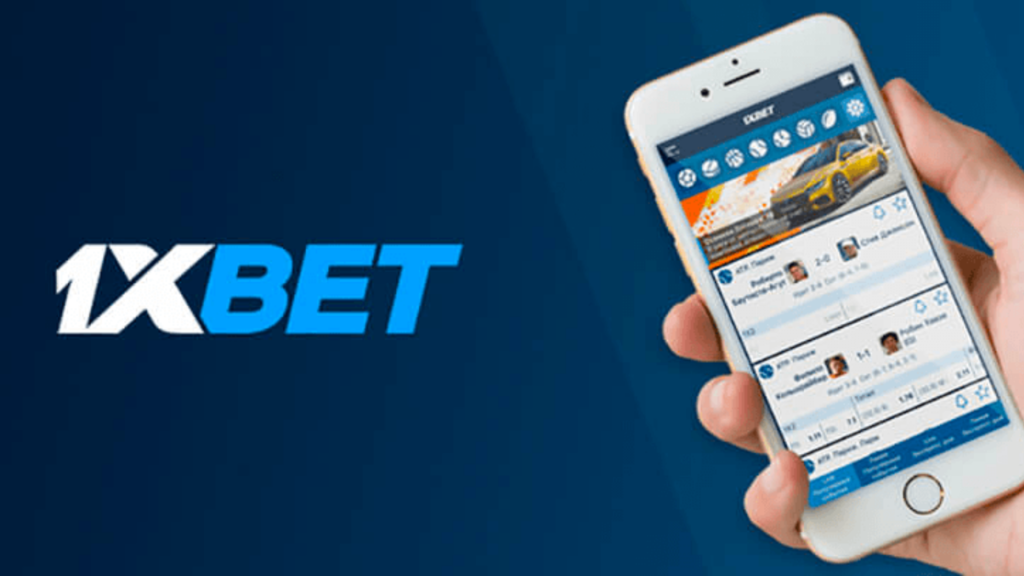
1xBet is an online gambling company founded in 2007, licensed by Curaçao eGaming, and structured around a global franchise business model — meaning local operations in various countries are managed by different entities operating under the overarching 1xBet brand. The platform offers sports betting across more than 60 sporting disciplines, live casino games, virtual sports, esports wagering, and a broad suite of online casino products. Its platform is now available in over 60 languages worldwide, and it supports 47 cryptocurrency payment options alongside traditional banking and regional payment methods.
The breadth of the product offering is genuinely exceptional by industry standards. Users can bet on mainstream football, tennis, cricket, and basketball, alongside niche options including esports tournaments, political events, and TV shows. As of 2024, the monthly average number of visitors to its platform exceeded 5 million, and the company passed the first round of licensing applications to legally operate in Brazil.
Global Scale and Sports Partnerships
1xBet’s most visible growth strategy has been its sports sponsorship programme, which operates at the highest level of global athletics. Its collaboration with FC Barcelona began in 2019 and was recently extended until 2029, making it one of the longest partnerships in the company’s history. Its relationship with Paris Saint-Germain has been extended until 2028, and its status as Exclusive Betting Partner of the International Basketball Federation (FIBA) runs through 2027. In October 2025, 1xBet was also named the Official Betting Partner of the ATP Challenger Tour, with the partnership covering more than 30 tournaments across Europe, Asia, North and South America.
These are not peripheral sponsorships. They represent some of the most commercially significant brand associations in global sport, and they signal the scale of commercial investment 1xBet is prepared to make in its public profile.
A Complicated Regulatory History
Any honest account of 1xBet must acknowledge its regulatory record, which is substantial and well-documented. Following investigations into its finances, the company is prohibited from operating in a number of countries, including the United States, the United Kingdom, Russia, France and Spain. This has led the company to shift its focus towards Africa, South America, South East Asia and India. In 2019, a Sunday Times investigation led to the termination of 1xBet’s UK white-label operations and several Premier League club partnerships following revelations it promoted a ‘pornhub’ casino and accepted bets on cockfighting. Independent review platforms have consistently reflected user concerns around account closures and payout disputes, which the platform’s management has publicly acknowledged as legacy issues requiring structural resolution.
The Repositioning Strategy in 2026
What makes 1xBet’s trajectory in 2026 genuinely worth watching is the seriousness with which it appears to be approaching its repositioning. The first six months of 2026 marked a period of steady growth and consolidation across regulated markets, with significant emphasis placed on strengthening international expertise and responsible gaming standards. In 2025, 1xBet launched a CSR project dedicated to responsible gaming in several Latin American countries, forming part of the company’s long-term strategy to support sustainable development and build mature relationships with players.
Notable regulatory approvals include its SPA licensing process in Brazil valid until 2030, Ireland’s Remote Bookmaker’s Licence, and new regulatory approvals in Guatemala and Serbia during 2025–2026. These aren’t cosmetic changes — regulated market licences carry substantial compliance obligations around anti-money laundering, know-your-customer procedures, and player protection mechanisms that fundamentally change how an operator must conduct its business.
1xBet’s Strategic Advisor Simon Westbury has stated publicly that the brand’s focus for 2026 is expanding in regulated markets and revenue — and that perception does not change overnight, but is being built through daily discipline and leadership behaviour rather than headline announcements.
What Prospective Users Should Know
For anyone considering using 1xBet, context is important. The platform’s product depth, competitive odds, and multi-language support are genuinely strong by global standards. Its mobile application has won industry awards for user experience. However, the platform’s history of user complaints, its absence from several major regulated markets, and its Curaçao-primary licensing structure mean that due diligence — checking whether it holds a local licence in your jurisdiction and reviewing its current terms carefully — remains essential before engaging financially. Responsible gambling tools, including deposit limits and self-exclusion options, are available on the platform and should be used actively by any player.
1xBet is a platform in genuine transition. Whether that transition delivers the long-term credibility its leadership is pursuing will be answered over the next few years — not in press releases, but in regulatory outcomes and user experience data.