





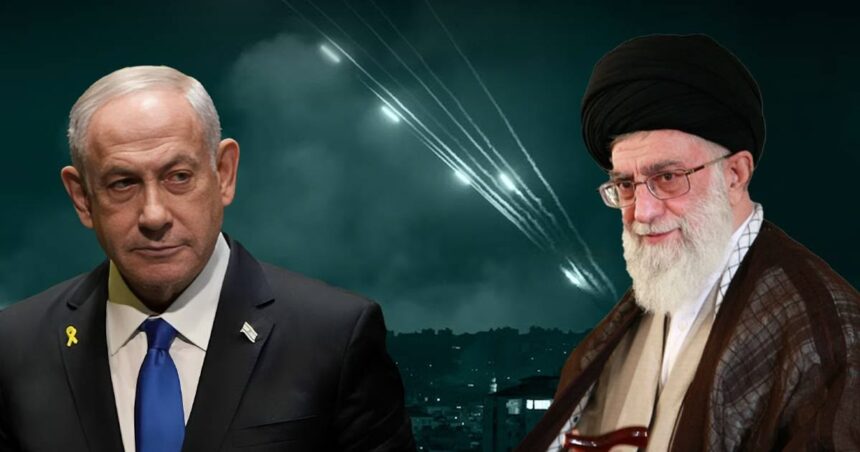
When a government votes to recognise a historical atrocity from more than a century ago, the timing is rarely accidental. On June 28, 2026, the Israeli cabinet voted unanimously to formally recognise the Armenian genocide — the systematic massacres, deportations, and killings carried out by the Ottoman Empire against its Armenian population during the First World War, beginning in 1915. The decision was framed publicly as a moral and historical obligation. Privately, it was something considerably more calculated: a deliberate diplomatic weapon deployed at the precise moment Israel needed maximum leverage over Turkey — a country it once called an ally, and now increasingly treats as a strategic adversary.
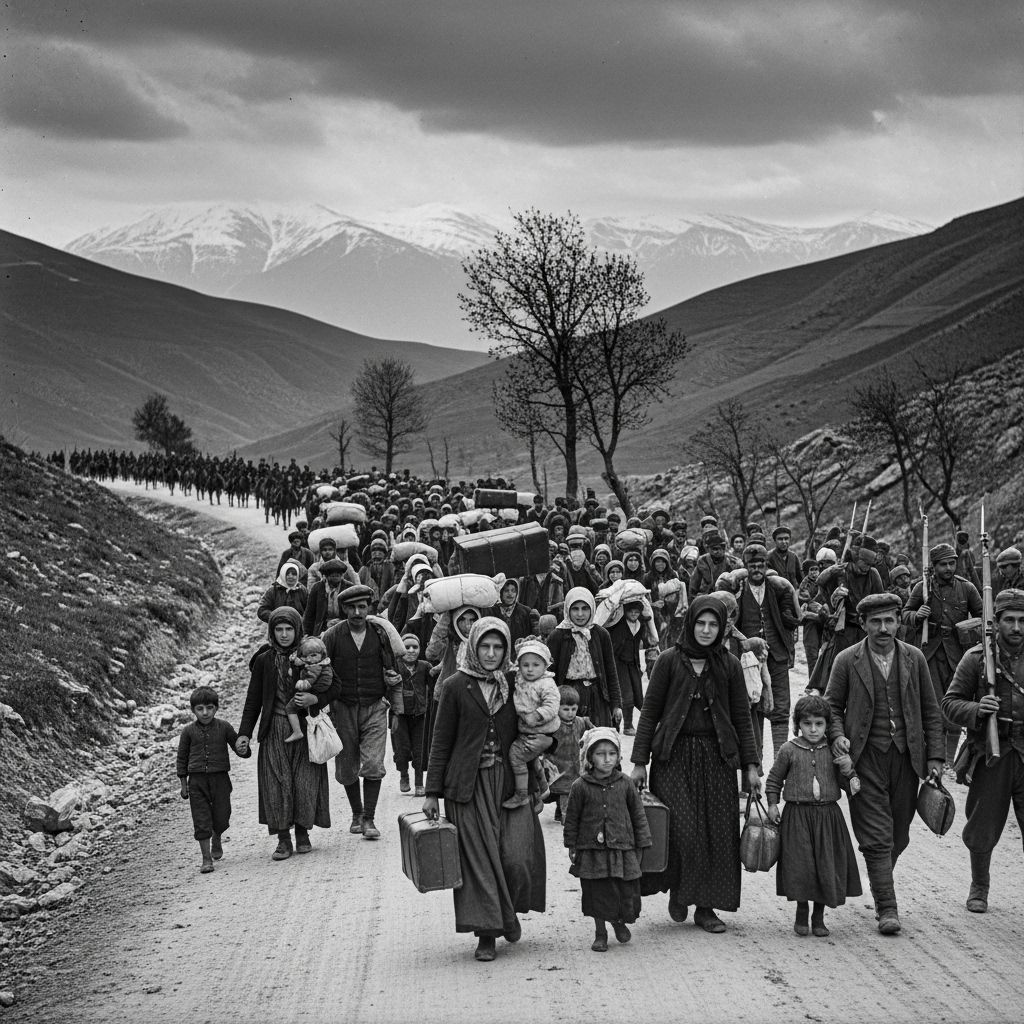
The History Israel Spent Decades Avoiding
The Armenian genocide is one of the 20th century’s most documented mass atrocities. Outside of Turkey and Azerbaijan, the historical consensus is that the Ottoman Empire’s persecution of Armenians constituted genocide. The events resulted in the deaths of an estimated 1.5 million Armenians. Turkey acknowledges that many Armenians died during the First World War but rejects the characterisation of systematic, planned genocide — a position it has maintained for over a century and one that has shaped its diplomatic relationships with countries that might otherwise have recognised the historical record.
Israel’s position on the genocide had, for decades, been conspicuously silent. Historically, Israel avoided using the term “genocide” regarding the Ottoman Empire’s campaign of massacres, deportations, and imprisonment against Armenians, aiming to preserve diplomatic ties with Turkey. The practical logic was straightforward: Turkey was a significant regional partner, and the genocide question was an issue best left unpressed. That calculation held for years — until the relationship that justified it collapsed entirely.
How Gaza Broke a Decades-Long Alliance
Days before the war in Gaza erupted in October 2023, Erdogan and Netanyahu were photographed shaking hands in New York on the sidelines of the UN General Assembly. What followed was a rupture of extraordinary speed and intensity. Turkish President Recep Tayyip Erdogan openly supported Hamas, compared Israel’s actions to Nazi Germany, and halted nearly all trade with the country. Israel fiercely rejected Turkey’s accusations of genocide in Gaza, and the personal animosity between Netanyahu and Erdogan became one of the most publicly hostile relationships between two nominally non-belligerent leaders anywhere in the world. By August 2025, Ankara had moved to impose an almost complete closure of its ports and airspace to Israeli shipping and aviation, making the lifting of these restrictions contingent upon a permanent ceasefire.
The diplomatic relationship, described by one analyst as having once represented a strategic partnership, had disintegrated into something qualitatively different. Turkey “has effectively become an enemy state to Israel,” Alon Liel, a former Israeli ambassador to Turkey, told Alhurra.
The Genocide Recognition as Strategic Weapon
With conventional diplomatic and economic levers exhausted, Israel turned to the one instrument it had deliberately kept unused for decades. Faced with a rapidly deteriorating relationship and strategic options that had narrowed considerably, Tel Aviv turned to the Armenian issue as its ultimate instrument of diplomatic coercion.
Foreign Minister Gideon Sa’ar, who announced last week that he would bring the recognition to a cabinet vote, wrote on X after the bill passed unanimously that “it’s never too late to do the right thing.” “Israel joins 32 countries that have fulfilled a moral duty by recognising the historical truth, and rejecting attempts to deny it,” Sa’ar wrote.
The framing was moral. The timing told a different story. For the first time, Israeli Prime Minister Benjamin Netanyahu publicly recognised the genocide in August 2025. The formal cabinet vote followed eleven months later, at precisely the moment Israeli-Turkish tensions had reached their most hostile point since the 2010 Mavi Marmara incident, when Israeli commandos raided a Gaza-bound flotilla and killed ten Turkish activists.

The Wider Strategic Fallout
Israel’s decision did not produce only the anticipated Turkish backlash. The decision triggered an unprecedented backlash from Azerbaijan, which swiftly denounced it as a distortion of historical facts lacking any legal or scholarly foundation, while demanding that Israel immediately reverse its position. This matters significantly: Azerbaijan is a close Israeli partner and a critical energy supplier, with Azerbaijani oil reaching Israel through Turkish pipelines. In a single decision, Tel Aviv opened itself to direct confrontation with Turkey and a quieter, yet strategically significant, rift with Azerbaijan, while simultaneously creating an opportunity for Iran to exploit the emerging fractures and weaken Israel’s extensive strategic influence along its northern frontier.
The confrontation spans multiple arenas, including Gaza, Syria, the Eastern Mediterranean, energy competition, and Israel’s expanding military cooperation with Greece and Cyprus. Turkey’s “Blue Homeland” doctrine, which seeks to expand Ankara’s maritime influence across the Eastern Mediterranean, has intersected directly with Israeli and Greek security interests — and Israeli defence officials have begun reassessing Turkey’s status from political rival to potential military adversary, developing new naval force structures in response.
Why This Is Bigger Than a Historical Dispute
The Armenian genocide recognition is not, at its core, a debate about 1915. It is a signal flare about 2026 — about how far the Israel-Turkey relationship has deteriorated, about how Israel intends to use diplomatic tools it previously kept sheathed, and about how a century-old historical question has become a live instrument of 21st-century geopolitics. The relationship between Israel and Turkey is no longer shaped solely by the personal rivalry between Prime Minister Netanyahu and President Erdogan or by periodic diplomatic disputes. It is increasingly influenced by overlapping theatres of competition stretching from Gaza and Syria to the Eastern Mediterranean, energy security, and shifting regional military alliances.
The Armenian genocide, a historical truth that most of the world recognised long ago, has now become part of that competition — deployed by a country that waited until the moment the confrontation called for it. Whether the move changes anything materially in the region remains to be seen. What it has changed definitively is the implicit understanding between Ankara and Tel Aviv that some historical facts are too dangerous to name out loud.