





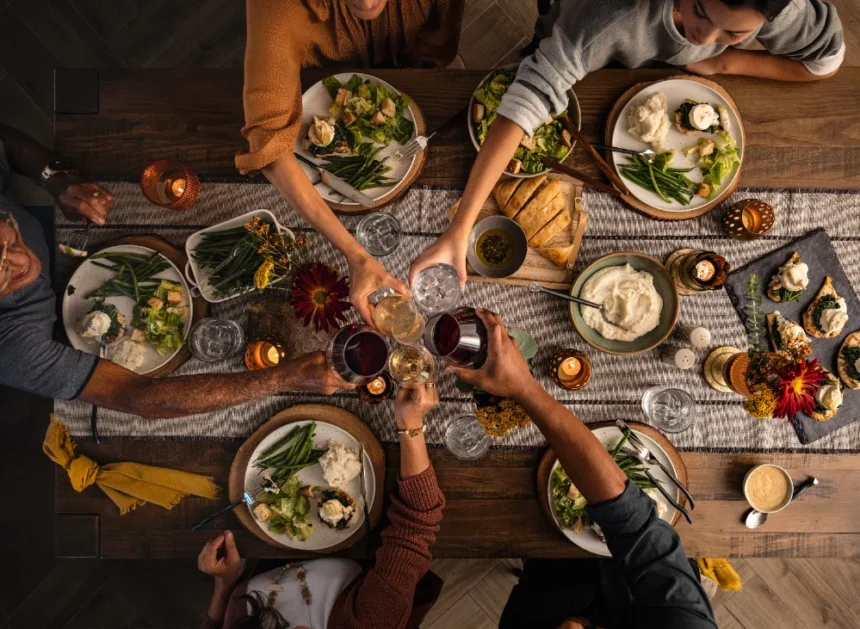
From Japan’s ceremonial matcha to Ethiopia’s holy injera — food has always been humanity’s most intimate act of the divine.
Long before food became content — before the flat lays, the Michelin stars, and the viral recipe reels — it was something far more profound. Across every civilisation that has ever existed, food has sat at the intersection of the human and the holy. It has been offered to gods, shared with ancestors, and used to mark the most sacred moments of life: birth, marriage, harvest, and death.
When we travel the world with open eyes and an open palate, we begin to see that what a culture eats — and how it eats — is one of the most honest windows into its soul. Here is a journey through six of the world’s most spiritually significant foods, and the profound meaning that has surrounded them for centuries.
Six sacred foods that connect humanity to something greater
Japan
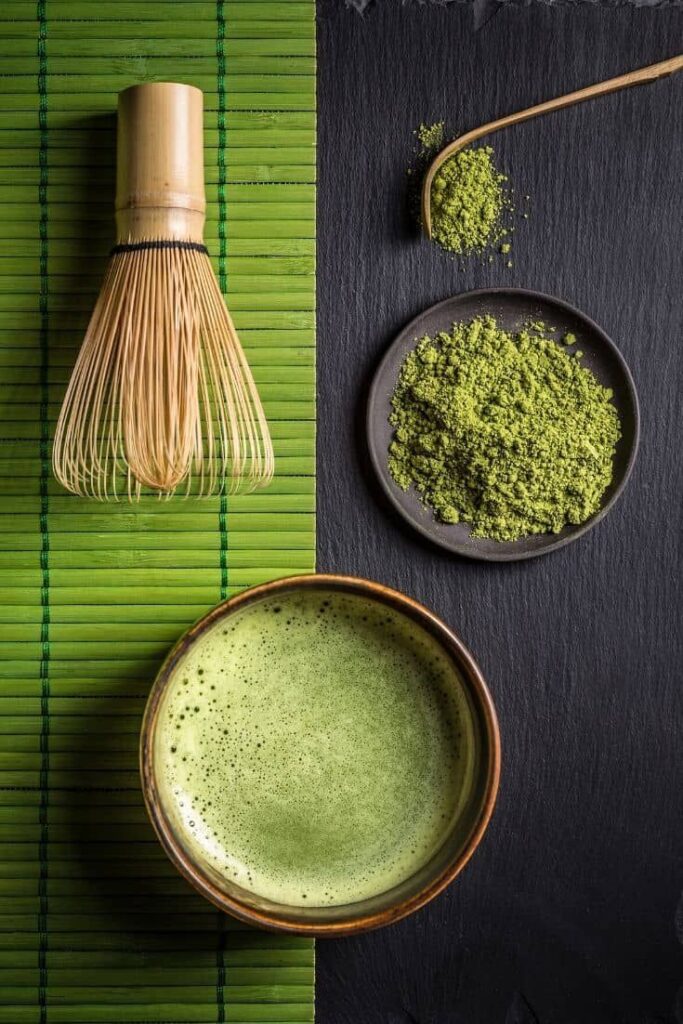
Matcha — the mindful cup of Zen Buddhism
Long before matcha became a café menu staple, it was the drink of Zen Buddhist monks who used its calming yet alert state — induced by the amino acid L-theanine — to sustain long hours of meditation. The Japanese tea ceremony, known as Chado or “the way of tea,” is not about drinking. It is about presence. Every gesture — the warming of the bowl, the precise whisk strokes, the quiet bow — is a meditation in itself. To participate in a traditional Japanese tea ceremony today is to touch something ancient and still very much alive.
Ethiopia
Injera — the bread that is also a table, a plate, and a prayer
In Ethiopian Orthodox Christianity — one of the oldest Christian traditions in the world — injera is far more than a sourdough flatbread. It is the foundation of every communal meal, laid flat as both plate and utensil, with all dishes placed upon it and eaten together by hand. This shared eating — never alone, always from the same surface — is a living expression of community, equality, and togetherness that the Ethiopian church has practised for over 1,600 years. To eat injera with an Ethiopian family is to be welcomed into something sacred.
Greece & the Mediterranean
Fasting foods of Greek Orthodoxy — the discipline of the table
The Greek Orthodox calendar contains over 180 fasting days per year, during which meat, dairy, and oil are avoided. Far from being a hardship, this tradition has produced one of the world’s most beloved cuisines: the Mediterranean diet. Dishes like gigantes plaki (giant baked beans), taramasalata, and spanakopita were born from centuries of faithful, creative fasting. In Greece, to understand the food is to understand the faith — and to understand the faith is to understand why Greeks live longer than almost anyone else on earth.
Mexico
Maize — the flesh of the gods in Mesoamerican tradition
According to the Mayan creation text, the Popol Vuh, humanity itself was fashioned from maize. Corn was not simply a crop — it was the substance of life, the gift of the gods, and the centre of every ritual calendar. Today, in the markets of Oaxaca and the streets of Mexico City, every tortilla pressed by hand carries this history inside it. UNESCO recognised Mexican cuisine as an Intangible Cultural Heritage in 2010, partly because of how inseparable it remains from spiritual and communal identity.
France & Global Christianity
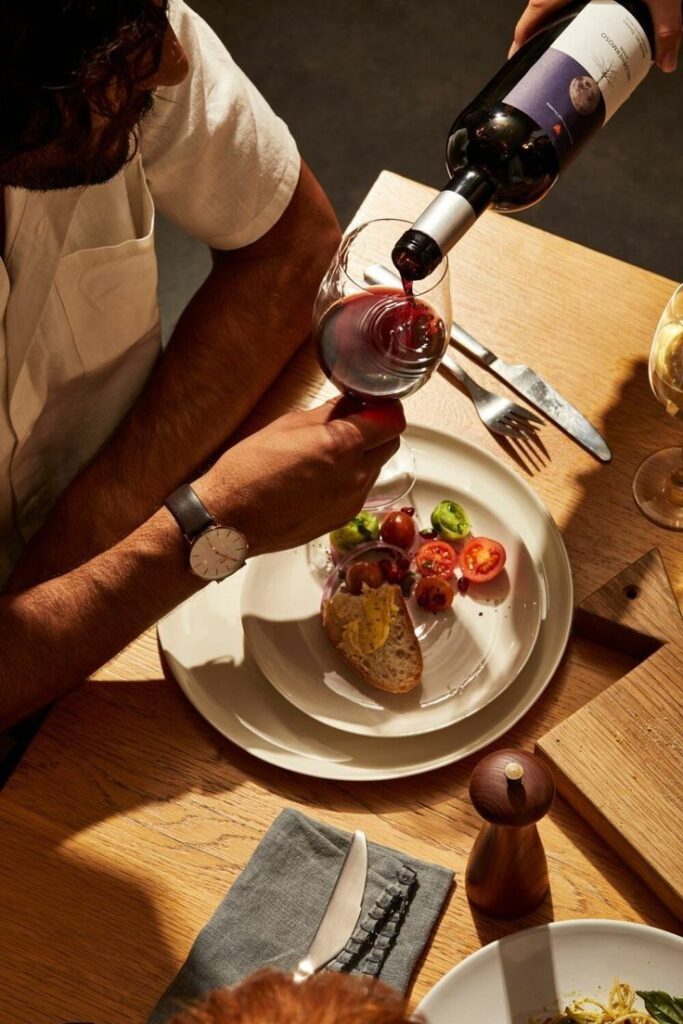
Wine — the blood of the vine and the soul of the Eucharist
No single food-drink has been more entwined with spiritual history than wine. Central to the Christian Eucharist, present at the Last Supper, and woven throughout the Hebrew Bible, wine’s journey from ancient Mesopotamian fermentation to the grand châteaux of Bordeaux is inseparable from the story of Western religion. Many of Europe’s greatest vineyards were cultivated by monks who saw the careful tending of grapes as an act of devotion. In Burgundy, France, Cistercian monks of the 12th century were among the first to define and map distinct wine terroirs — a legacy that shapes global wine culture to this day.
Morocco & the Islamic World
The Ramadan table — the feast that follows the fast
In Morocco, as across the Muslim world, the Iftar meal that breaks the Ramadan fast each evening is one of the most spiritually charged dining experiences on earth. The table is never simply food — it is relief, gratitude, community, and celebration compressed into a single shared moment at sunset. Harira soup, msemen flatbread, honey-soaked chebakia pastries, and sweet dates appear on every table, rich with symbolism and centuries of tradition. To be invited to an Iftar in Marrakech or Fes during Ramadan is to witness human connection at its most raw and beautiful.
“Every culture has its sacred table. The traveller who learns to sit at it — with patience, with curiosity, and without judgement — discovers that food is the world’s oldest and most honest language.”
How to eat sacredly when you travel
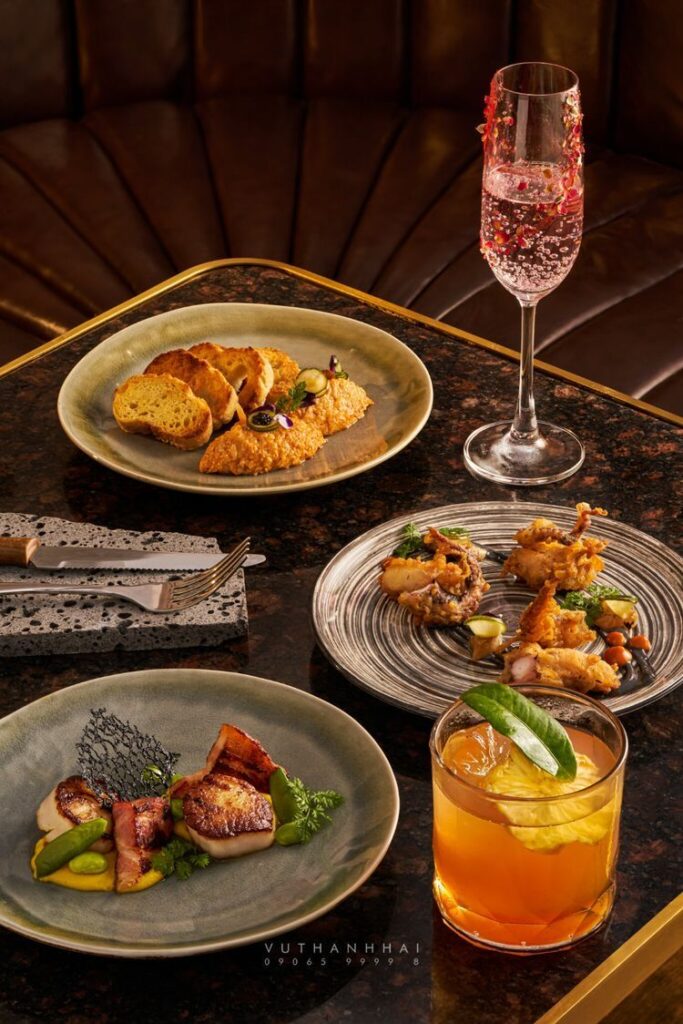
Understanding the spiritual significance of food transforms the way you travel. Instead of hunting the nearest tourist restaurant, you find yourself drawn to the market stall where the grandmother has been making the same dish for fifty years. You accept the tea offered by a stranger in a Moroccan riad. You sit cross-legged on a Japanese tatami mat and bow before lifting your bowl. These small acts of culinary respect are among the most powerful forms of cultural connection available to any traveller.
Traveller’s guide to eating with cultural awareness
- Research food customs before you arrive — in many cultures, refusing offered food is deeply offensive.
- Seek out local food markets over restaurants. The freshest, most authentic food is always where the locals shop.
- Ask about the story behind a dish. Every local knows something about their food that no guidebook will tell you.
- Observe fasting and festival calendars. Visiting during Ramadan, Lent, or local harvest festivals completely changes the culinary experience.
- Eat slowly. Sacred food was never meant to be rushed.
The table is always open
The world is vast, its cultures endlessly varied, and its cuisines incomprehensibly rich. But sit down at almost any table, in almost any country, and you will find the same thing at its centre: the human desire to share, to give thanks, and to belong to something larger than oneself. Food is not just sustenance. It never was. It is the oldest conversation humanity has ever had with the sacred — and it is one that every traveller has the privilege of joining, one meal at a time.