




For decades, handheld gaming followed a very predictable, compromise-heavy script. If you wanted to play video games on a train or a flight, you accepted the trade-offs: muddy, low-refresh-rate screens, battery lives that barely outlasted a commute, and graphics that looked like a blocky block from two generations ago. Even the early waves of PC gaming handhelds felt more like clunky science projects for tech enthusiasts than polished consumer products.
But over the course of 2026, the handheld market has completely exploded.
We are no longer in the era of compromise. Driven by rapid breakthroughs in mobile silicon architectures, next-gen display tech, and an aggressive arms race between hardware manufacturers, portable gaming devices have officially caught up to home consoles.
If you are looking to upgrade your mobile setup or jump into the space for the first time, these are the five massive, industry-wide upgrades transforming handheld gaming devices right now.
1. Silicon Evolution: The Rise of 3nm Efficient Architectures
The biggest bottleneck for portable gaming has always been thermal efficiency—how much power can a chip draw before it burns a hole through your palms or dies in 45 minutes?
This year, the mainstream transition to 3-nanometer (3nm) processing nodes by major chipmakers has completely rewritten the rulebook.
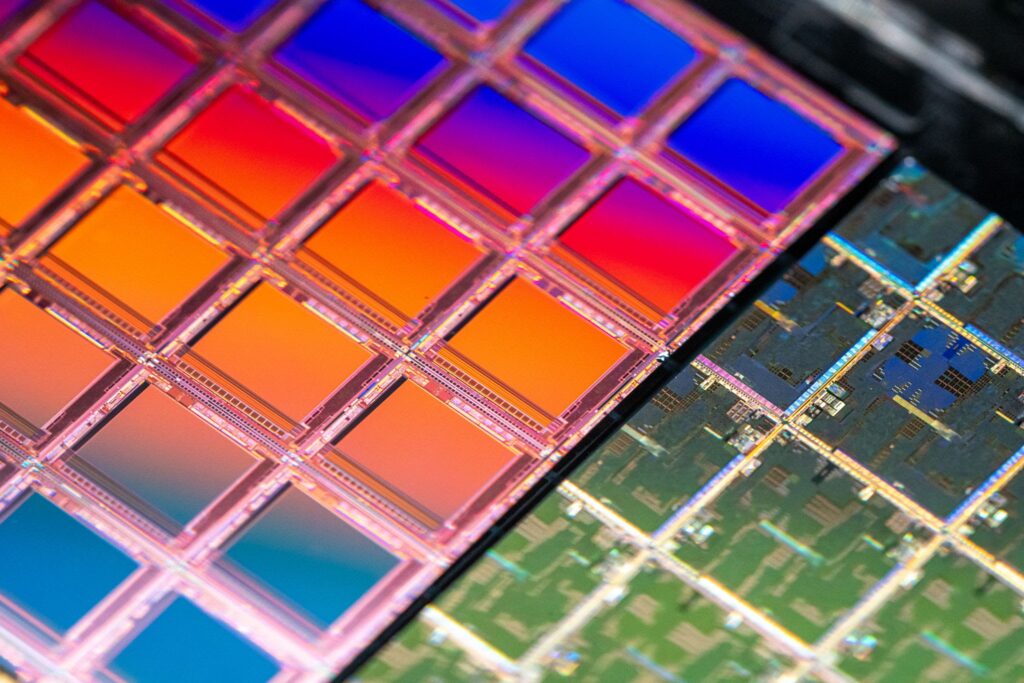
By shrinking the transistors down to a molecular scale, devices can now deliver massive graphical performance while sipping power. Handhelds are pulling off desktop-class features like hardware-accelerated ray tracing (photorealistic lighting and reflections) at stable frame rates without sounding like a jet engine taking off.
2. Tandem OLED Displays: Blindly Bright and Ghosting-Free
If you look at the screens on premium handheld devices hitting the shelves today, standard LCDs are completely ancient history. Even traditional OLED screens have been surpassed by a spectacular new hardware standard: Tandem OLED displays.
By stacking two organic light-emitting layers on top of each other, these displays achieve double the brightness of a standard OLED while drastically reducing the risk of screen burn-in. Gaming outdoors on a sunny day is no longer an exercise in staring at your own reflection. Combined with universal adoption of Variable Refresh Rates (VRR) up to 144Hz, screen tearing and stuttering are practically extinct. The blacks are pitch-dark, the colors bleed off the edges, and the motion blur is completely non-existent.
3. The Solid-State Cooling Revolution
For the longest time, the thickness and weight of a handheld device were dictated by its cooling fans. Mechanical fans require heavy copper heat pipes and bulky exhaust vents to keep the device from melting.
This year’s most jaw-dropping design upgrade is the integration of solid-state active cooling chips (like Frore Systems’ AirJet tech). These ultra-thin, silent micro-chips use ultrasonic wave membranes to generate high-velocity air streams without a single moving part.
The structural implications are massive. Manufacturers are finally building devices that are razor-thin, whisper-silent, and completely free of mechanical fan failures, all while maintaining peak performance without thermal throttling during heavy gaming sessions.
4. Localized AI Upscaling Co-Processors
We’ve been using software upscaling like AMD’s FSR or Nvidia’s DLSS to boost frame rates for a while, but running those complex algorithms usually taxes the same main processor trying to run the actual game.
The game-changing shift this year is the introduction of dedicated AI NPU (Neural Processing Unit) co-processors built specifically for handhelds. These tiny silicon blocks handle the heavy lifting of real-time image upscaling and frame generation completely on the side. The main chip focuses solely on game logic, allowing a handheld to render a game internally at 720p but output a flawlessly crisp, AI-sharpened 1080p or 2K image to your screen with zero performance penalty.
5. Open-Platform Operating Systems Get Clean
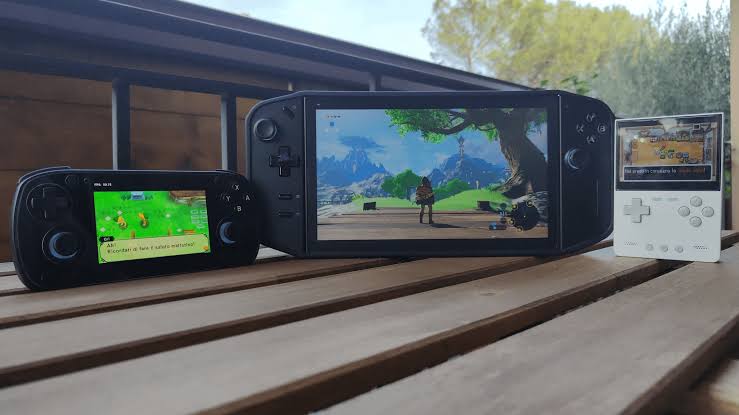
Hardware is only as good as the software running it. For years, Windows-based handhelds were plagued by terrible user interfaces because Windows 11 was built for keyboards and mice, not 7-inch thumbsticks.
This year, Microsoft’s deep optimization overhauls, coupled with the mainstream rise of streamlined, console-like alternative operating systems (like Bazzite and refined versions of SteamOS), have bridged the gap. Handhelds now feature instant-suspend states that work flawlessly—you can tap the power button to instantly freeze a massive open-world game mid-fight, put the device in your bag, and wake it up six hours later to resume playing in less than a second.
The Editor’s Verdict: Mobile Sovereignty
The ultimate takeaway from this year’s tech leap is sovereignty over where and how you play. You are no longer tethered to a living room television or an expensive desktop desk setup to enjoy high-fidelity, triple-A gaming.
When shopping around for a device, look past the basic marketing buzzwords and check for these structural pillars: a 3nm-class processor, an active solid-state or highly optimized cooling loop, and a VRR-enabled screen. Handheld gaming isn’t just a secondary niche anymore; it is officially the vanguard of gaming hardware innovation.
Are you ready to trade your home console for a silent, ultra-thin 3nm handheld, or are you waiting to see how the next generation of portable screens develops? Let’s talk about your favorite mobile gaming setups in the comments below.