




The landscape of console gaming is undergoing a massive architectural shift. For months, the gaming community has been flooded with speculation: Is Xbox abandoning the traditional home console to go entirely mobile?
With Microsoft’s public emphasis on cross-platform accessibility, a massive multiplatform push, and a rapidly evolving hardware market, it is a valid question. However, looking closely at recent executive statements, insider leaks, and supply-chain movements reveals that Xbox isn’t abandoning the living room—it is entirely redefining what a console ecosystem looks like.
Let’s decode the latest hardware whispers and separate the speculation from reality.
The Strategy: Platform Over Plastic
The theory that Xbox is planning a “purely handheld future” stems from a slight misunderstanding of Microsoft’s ultimate endgame. Xbox is no longer trying to win a traditional, locked-box hardware war against Sony. Instead, they are building a unified ecosystem that runs across Windows, mobile, and dedicated silicon.
Microsoft’s real focus is developing its software to turn any portable gaming PC into a seamless, boot-to-dashboard Xbox console. Rather than limiting themselves to one proprietary piece of plastic, Microsoft is positioning its ecosystem to be omnipresent. We are already seeing this strategy bear fruit through deeply integrated software optimizations across Windows 11 designed specifically for handheld form factors, allowing third-party portable PCs to act like native Xbox machines.
Project Helix: The Flagship Is Still Alive
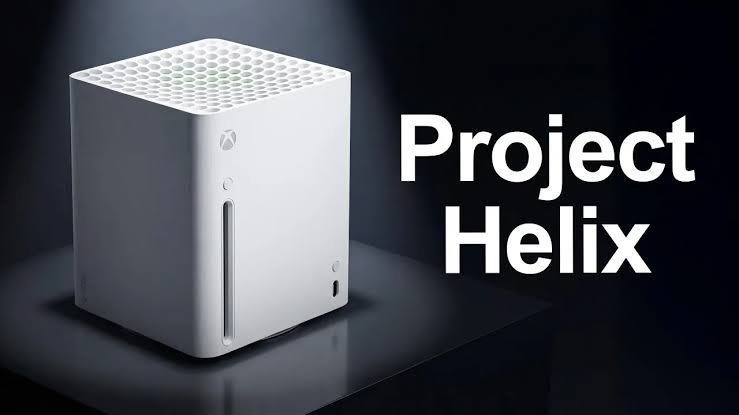
To definitively answer the core question: No, Xbox is not abandoning the traditional home console. Rumors regarding the death of the home console have been firmly put to rest by ongoing leaks surrounding Microsoft’s true next-generation first-party hardware initiative, codenamed Project Helix.
Project Helix, currently tipped for a potential 2027 release window, represents a massive paradigm shift. Reports suggest the hardware is being designed to run a customized, full-bore Windows experience equipped with a couch-friendly, full-screen Xbox dashboard. Rather than a closed box, Project Helix is expected to bridge the gap completely, allowing users to play both native console titles and their PC libraries on a single device.
While industry component crises and rising memory costs have sparked rumors of a premium price tag pushing past $1,000, Xbox leadership has actively hinted at continuous design innovations to keep next-gen hardware competitive. A high-end, living-room flagship remains a cornerstone of their long-term road map.
The True “Xbox Portable” Prototypes
While a dedicated home console is safe, a native, first-party Xbox handheld is absolutely a real, tangible project. Xbox chief Phil Spencer has repeatedly confirmed that the company is actively developing first-party handheld prototypes. However, Spencer has stressed that a dedicated device is still a few years away from a commercial launch.
Unlike a standard cloud-streaming device, the goal for a native Xbox handheld is local, hardware-level playback. The objective is to establish a tri-pillar ecosystem:
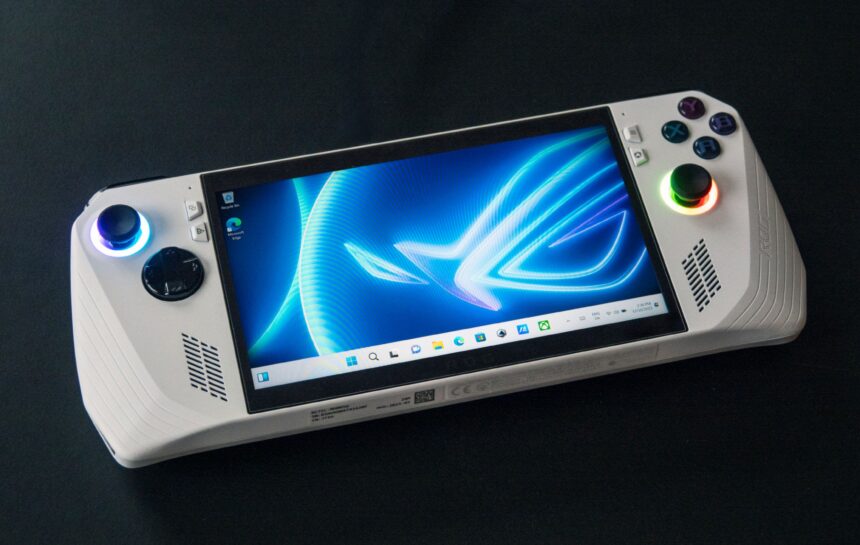
By ensuring that the next generation of Xbox architecture natively bridges the gap between PC architecture and console architecture, players will be able to buy a game once via Xbox Play Anywhere and run it fluidly across a high-end TV console or a dedicated handheld device on the go. In the short term, Xbox is focusing heavily on refining its Xbox app and full-screen UI on existing Windows-based handhelds like the ROG Ally to perfect the software experience before shipping their own mobile silicon.
The 25th Anniversary Twist
Another massive clue pointing toward the immediate future of Xbox’s hardware ambitions lies in their celebratory mid-generation releases. Microsoft recently unveiled the limited-edition Xbox Series X25 console to commemorate the brand’s upcoming 25th anniversary this November. Featuring a striking translucent “OG Green” chassis that pays homage to the original 2001 Xbox, this hardware drop proves that Microsoft is still heavily invested in physical console iterations.
Furthermore, Xbox’s dedicated game preservation team is continuously optimizing legacy catalogs. The low hardware requirements of original Xbox and Xbox 360 emulation make these classic libraries an absolute goldmine for local execution on lower-powered, highly efficient mobile chipsets—fueling the theory that backward compatibility will be a frontline selling point for their future handheld.
The Verdict: An Omnipresent Future
Xbox is not planning a purely handheld future—they are planning an omnipresent future.
The strategy is clear: market an ultra-premium flagship home console (Project Helix) to capture the enthusiast crowd, while simultaneously capturing the booming portable market via native first-party handheld hardware and software-level integrations across third-party devices. For the modern gamer, this means maximum flexibility. Your library, your saves, and your ecosystem will simply follow you, regardless of the screen size.